Tennessee Roof Insurance Education
ACV vs. RCV Roof Coverage in Tennessee
Actual Cash Value and Replacement Cost coverage can change what a roof insurance claim pays after storm damage. The difference often comes down to depreciation, your deductible, and the coverage terms in your policy.

Quick Answer
What is the difference between ACV and RCV roof coverage?
Actual Cash Value (ACV) roof coverage pays replacement cost minus depreciation and your deductible. Replacement Cost Value (RCV) coverage generally pays the current cost to repair or replace covered damage with similar quality materials, minus the deductible and subject to policy terms.
For Tennessee homeowners, the most important takeaway is simple: ACV can leave a larger out-of-pocket gap after roof damage because age and wear are deducted from the payment.
Why It Matters Now
Why should Tennessee homeowners understand ACV vs. RCV before storm season?
ACV and RCV determine how depreciation affects a covered roof loss. Tennessee's Department of Commerce and Insurance explains that ACV pays replacement cost minus depreciation, while Replacement Cost policies pay what the damaged item or structure would cost in today's dollars without accounting for age or wear and tear.
FHFA also announced on March 18, 2026 that Fannie Mae and Freddie Mac will accept ACV coverage on roofs for single-family homes and condos. That makes it more important for homeowners to know what their roof coverage says before wind, hail, or storm damage creates an urgent decision.

Plain-English Comparison
How do ACV and RCV roof coverage compare?
ACV and RCV both may apply to covered damage, but they treat depreciation differently. Your exact payout depends on your policy, deductible, coverage limits, exclusions, roof age, roof condition, and your insurance carrier's claim decision.
Actual Cash Value (ACV)
Replacement Cost Value (RCV)
| Question | Actual Cash Value (ACV) | Replacement Cost Value (RCV) |
|---|---|---|
| How does it pay? | Pays replacement cost minus depreciation and your deductible. | Generally pays today's cost to repair or replace covered damage with similar quality materials, minus your deductible. |
| Does depreciation matter? | Yes. Age, wear, and condition can reduce the payment. | Usually less as the final basis for payment, although some policies may pay ACV first and reimburse the difference after work is completed. |
| What is the homeowner risk? | ACV can leave a larger out-of-pocket gap if the roof is older or heavily depreciated. | RCV often provides stronger protection after covered damage, but deductibles, limits, exclusions, and policy requirements still apply. |
| What should I ask? | Is my roof covered at ACV? How is depreciation calculated? Is depreciation recoverable or non-recoverable? | Does my policy include RCV roof coverage? What documentation is required to recover depreciation after the work is complete? |
Simple Example
How can ACV create a roof replacement gap?
The insurance carrier determines whether the damage is covered and applies the policy terms, deductible, roof age, and depreciation.
Under ACV, the payment reflects the roof's depreciated value, not necessarily the full current replacement cost.
If the cost to replace the roof is higher than the ACV payment, the homeowner may need to cover the shortfall, depending on the policy.
Tennessee DCI gives a useful example: a $10,000 roof with five years of depreciation and a $1,000 deductible could pay much differently under ACV than under Replacement Cost coverage. The point is not the exact dollar amount for your home. The point is that depreciation can meaningfully change the payment after roof damage.
Policy Check
What should homeowners check in their policy?
Homeowners should confirm how the roof is valued before storm season. You do not need to wait until hail, wind, or a leak creates urgency to learn whether your roof is covered at ACV or RCV.
- Is the roof covered at Actual Cash Value or Replacement Cost?
- Is depreciation recoverable or non-recoverable?
- Does the policy have a separate wind or hail deductible?
- Are there roof age, roof condition, or cosmetic damage limitations?
- What documentation is required after covered damage?
- Who should you contact for policy interpretation: agent, carrier, public adjuster, or attorney?
Documentation Before Decisions
Why does roof documentation matter with ACV or RCV coverage?
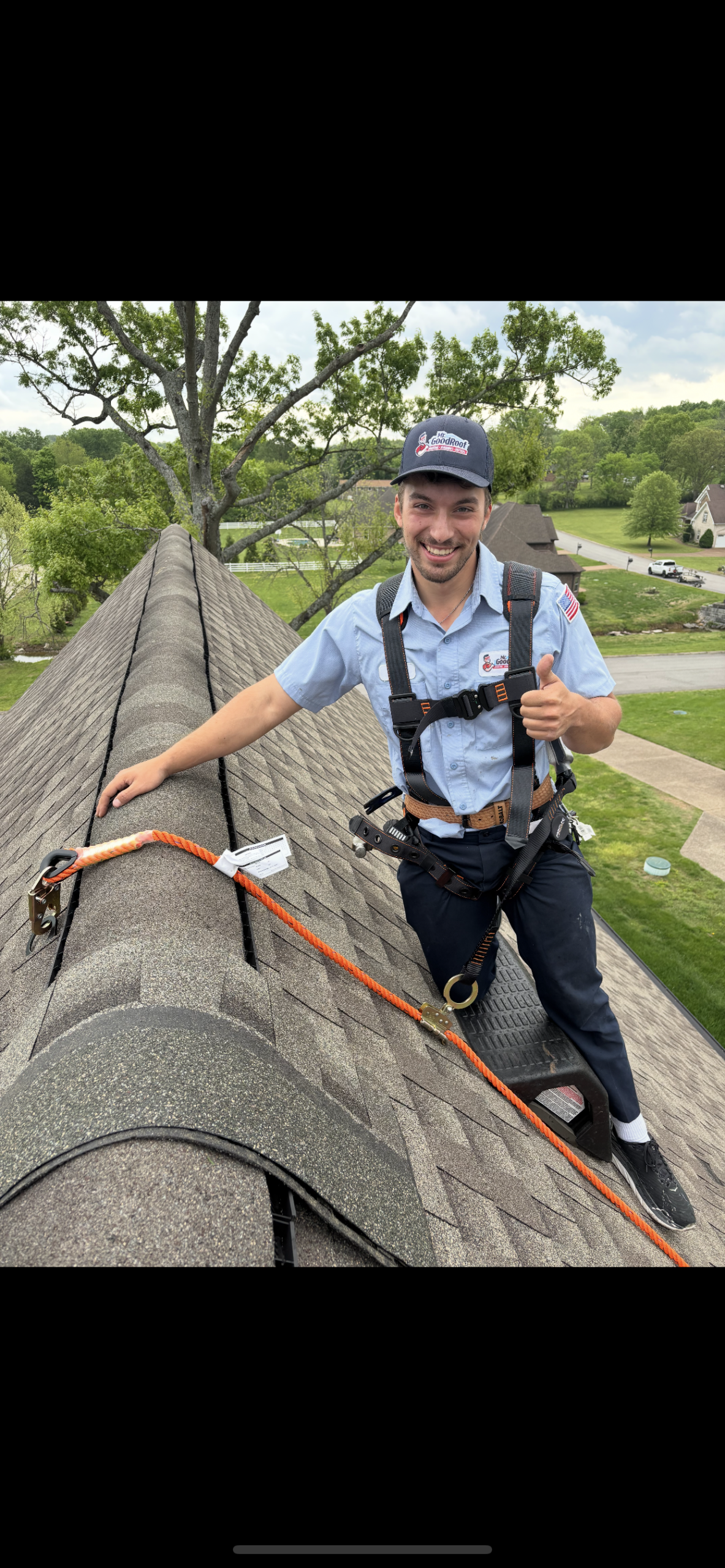
Roof documentation helps homeowners understand the roofing facts before making an insurance decision. A professional inspection can show whether the issue appears storm-related, maintenance-related, repairable, or closer to replacement-level.
Mr. GoodRoof documents visible roof conditions, takes photos, explains repair vs. replacement options, and provides a professional roofing estimate you can share with your insurance carrier. Your insurance carrier determines coverage based on your policy.
When to Schedule
When should you schedule a roof inspection?
If you do not know whether your roof is ACV or RCV, a roof inspection can help you understand roof condition before weather creates urgency.
Do not assume every storm creates a claim. Get the roof inspected so you know whether damage appears repairable, storm-related, or replacement-level.
Understanding roof condition, your deductible, and your coverage type can help you make a more informed next-step decision.
Related Resources
What should you read next?
Insurance Claim Guidance Hub
Start here for Mr. GoodRoof's full roofing-first claim guidance resource.
Roof Repair vs. Insurance Claim
Learn why not every roof concern should become an insurance claim.
Storm Damage Roof Repair
Get urgent help after wind, hail, heavy rain, or visible storm damage.
Insurance Letter Requesting Roof Replacement
Learn what to do if your carrier sends a roof-related repair, replacement, or documentation letter.
Roof Replacement
Explore replacement options, roofing systems, warranties, and estimate next steps.
Roof Repair
Start with repair-first guidance when your roof problem does not require full replacement.
FAQ
ACV vs. RCV roof coverage questions
What does ACV mean for roof insurance?
ACV means Actual Cash Value. For roof coverage, it generally means the insurance payment is based on replacement cost minus depreciation and your deductible, subject to the policy and the carrier's claim decision.
What does RCV mean for roof insurance?
RCV means Replacement Cost Value. It generally means the policy pays the current cost to repair or replace covered roof damage with similar quality materials, minus your deductible and subject to policy terms.
Does ACV roof coverage pay for a full roof replacement?
Not always. ACV coverage can leave a gap because depreciation is deducted from the payment. The older or more depreciated the roof is, the larger that gap may be.
Does RCV mean I will have no out-of-pocket cost?
No. Even with RCV coverage, homeowners may still be responsible for deductibles, upgrades, uncovered items, code-related limitations, policy exclusions, or costs outside the approved scope.
Can my insurance company pay ACV first and RCV later?
Yes, some Replacement Cost policies may initially pay the Actual Cash Value amount and then reimburse the difference after the roof work is completed and required documentation is submitted.
Should I file a roof claim if I have ACV coverage?
Do not decide based only on the coverage label. Review your deductible and policy terms, document the roof damage, and get a professional roofing inspection so you understand whether the issue appears storm-related, repairable, or replacement-level.
Can Mr. GoodRoof interpret my insurance policy?
No. Mr. GoodRoof can inspect your roof, document visible conditions, provide a roofing estimate, and explain roofing scope. For policy interpretation or coverage questions, speak with your insurance carrier, agent, licensed public adjuster, or attorney.
What should Nashville homeowners do before storm season?
Confirm whether your roof has ACV or RCV coverage, understand your deductible, save roof replacement or repair records, and schedule a roof inspection if you are unsure about the roof's current condition.
Important insurance guidance note
Mr. GoodRoof is a roofing contractor, not your insurance company, public adjuster, or legal representative. Under Tennessee law, a residential roofing services provider may not act or hold itself out as a public adjuster unless properly licensed as one. We inspect roof conditions, document visible damage, provide roofing estimates, and explain repair or replacement scope. We do not represent or negotiate on a homeowner's behalf with an insurance carrier, estimate claim value, interpret policy coverage, or adjust claims. Your insurance carrier determines coverage based on your policy. For policy interpretation, claim disputes, or legal advice, speak with your insurance carrier, a licensed public adjuster, or an attorney.
Primary Sources
Where can homeowners verify ACV and RCV information?
Tennessee Department of Commerce & Insurance
Federal Housing Finance Agency
National Association of Insurance Commissioners
Tennessee Roofing Contractor Guardrail
Documentation Before Decisions
Not sure what your roof coverage means after storm damage?
Start with the roofing facts. Mr. GoodRoof can inspect your roof, document visible conditions, explain repair vs. replacement options, and provide a roofing estimate you can share with your insurance carrier.