Dormer Roof Repair

in Middle Tennessee

Quick Links

Roof Replacement

Roofing System

If your roof is leaking around a dormer

It is usually not a simple issue.

Dormers create multiple seams, angles, and transitions in your roof, and that makes them one of the most common places for leaks in Nashville homes.

At Mr. GoodRoof, we specialize in dormer roof repair by identifying the real cause of the problem and fixing it the right way.

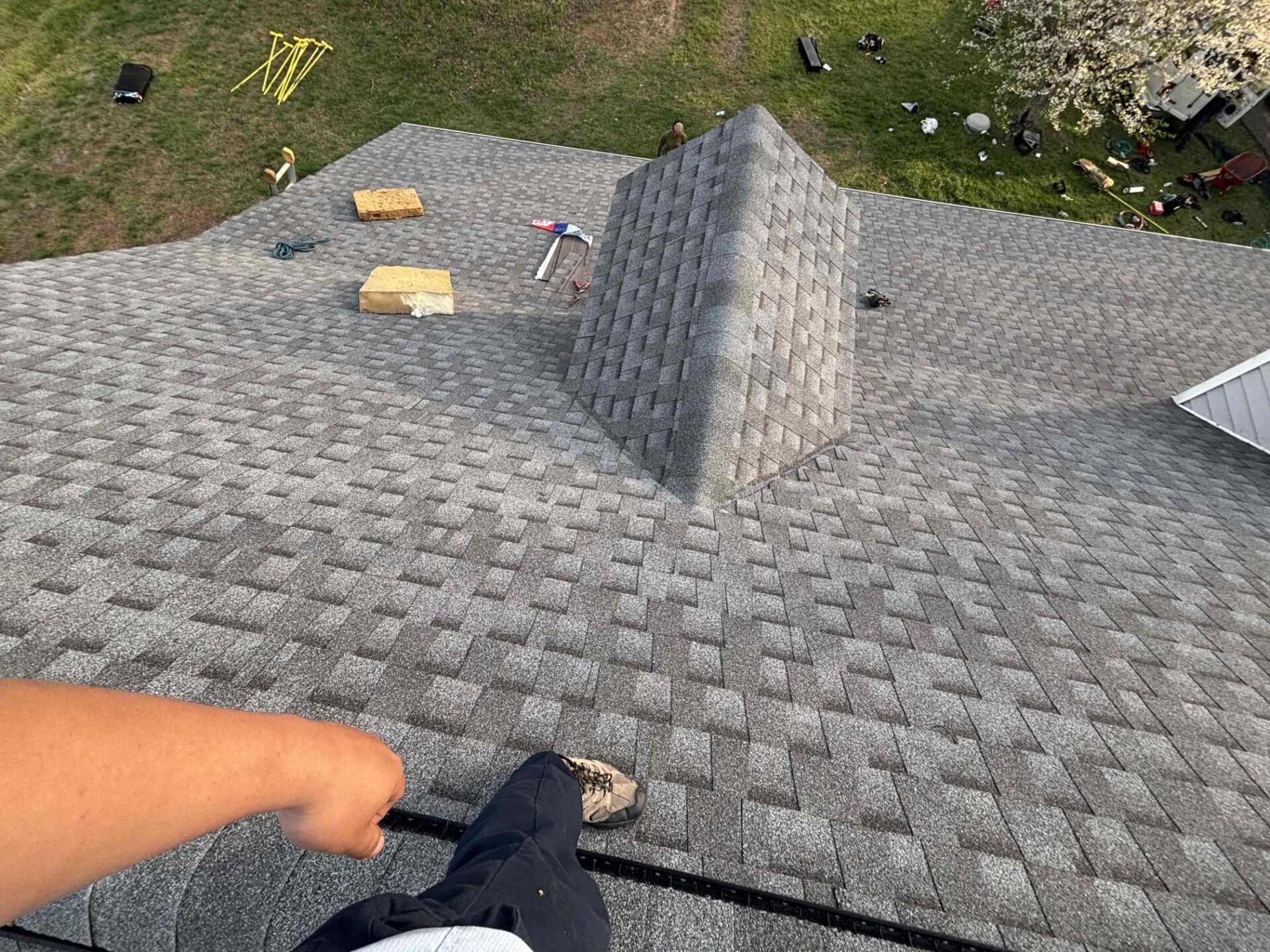
Dormers being repaired by mr goodroof

Why Dormers Are One of the Most Common Leak Areas

Anytime your roof changes direction, it creates a potential weak point.

Dormers combine several of these into one area, including:

  • Roof-to-wall transitions
  • Flashing along vertical surfaces
  • Valleys where water is concentrated
  • Window and siding integration points

From what we see in the field, most dormer leaks come from improper installation or failed flashing, not the shingles themselves.
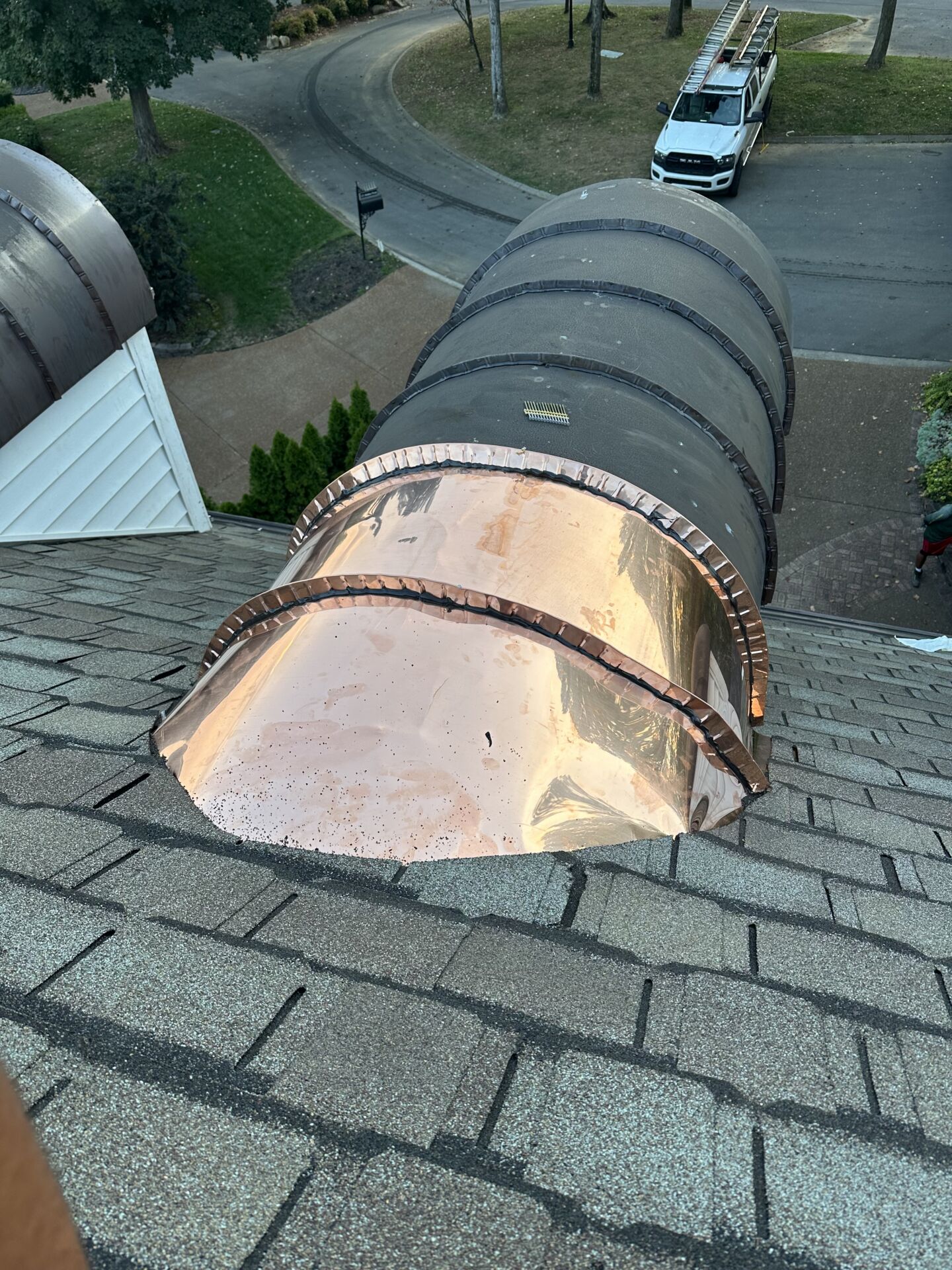
A roof dormer being repaired by mr goodroof

Signs You Need Dormer Roof Repair

A dormer repaired by mr goodroof
  • Leaks near dormer windows or ceilings
  • Water stains around walls connected to dormers
  • Issues that appear during heavy rain
  • Previous repairs that did not solve the problem

Dormer leaks often show up in one area but originate somewhere else, which is why proper diagnosis is critical.

Why Dormer Repairs Often Fail

We are frequently called out to fix repairs that did not hold.

Most of the time, the issue comes down to shortcuts like:

  • Using caulk instead of proper flashing
  • Ignoring valley protection
  • Not integrating materials correctly
  • Fixing one area without addressing the full system

Dormers require a system approach. If one part is wrong, the whole area can fail.
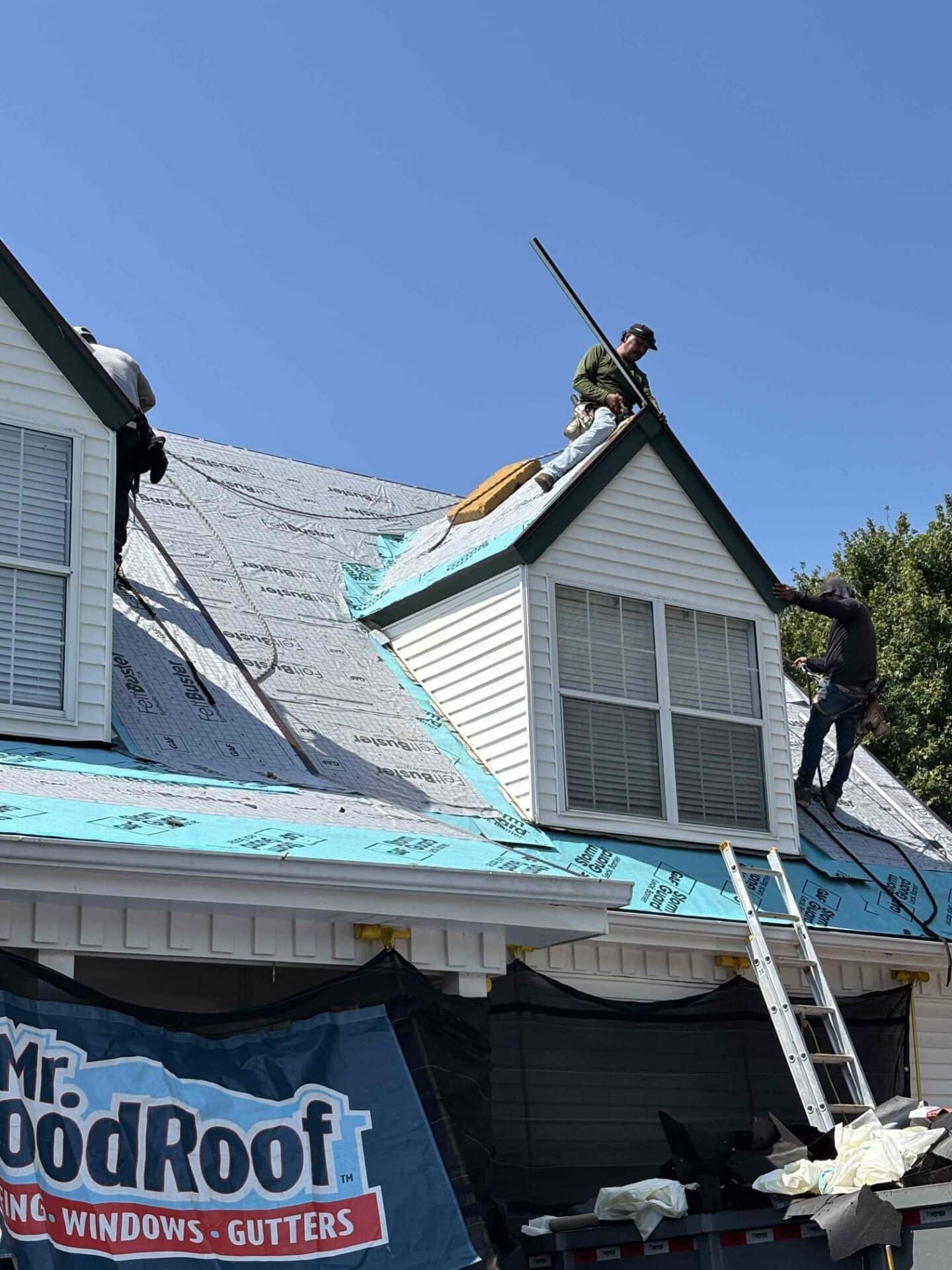
Dormer repair in progress by mr goodroof

How We Diagnose Dormer Roof Problems

We do not just look at the leak. We evaluate how water is moving around the dormer.

Our inspection includes:

  • Checking step flashing along the sides
  • Inspecting apron flashing at the base
  • Evaluating valleys connected to the dormer
  • Looking at siding and window integration

From our experience, many dormer leaks are misdiagnosed because the visible damage is not where the problem starts.

Our Dormer Roof Repair Process

  • Identify the true source of the leak
  • Remove compromised materials where needed
  • Repair or replace flashing systems
  • Reinforce valley and water flow areas
  • Ensure proper integration with roofing materials

We focus on fixing the root cause so the issue does not come back.
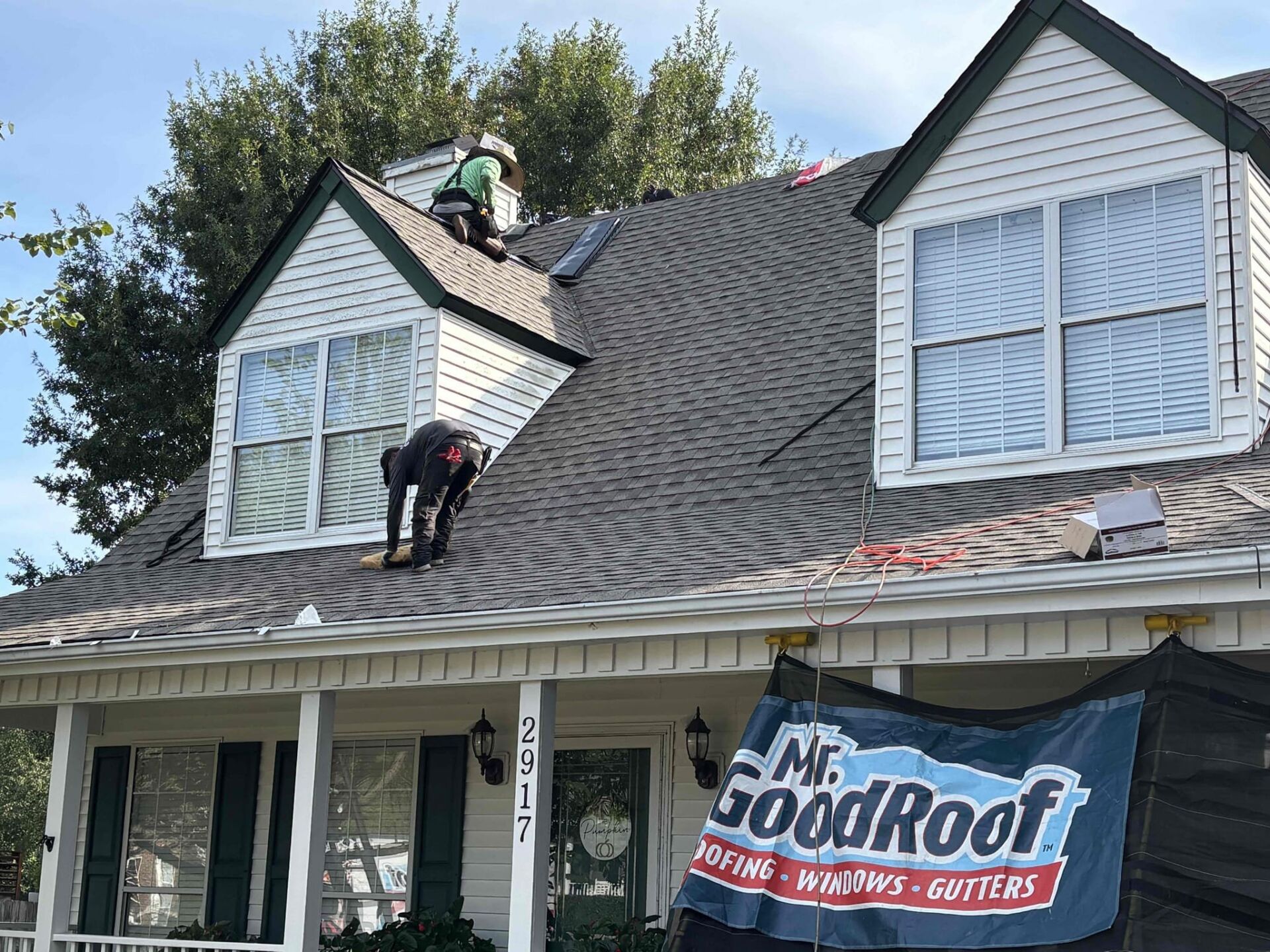
Dormers on a roof in nashville tn
A dormer being repaired by Mr Goodroof

Repair vs Replacement – What Do You Actually Need?

Not every dormer issue requires a full roof replacement.

If the problem is isolated, targeted repair is often the best solution.

If the dormer was installed incorrectly or has multiple failing components, a more extensive repair or replacement may be needed.

We will walk you through exactly what is going on so you can make the right decision.

Built for Nashville Weather

Dormers take a direct hit from rain, wind, and temperature changes.

In Nashville, heavy storms and wind-driven rain push water into these transition areas, which is why proper flashing and drainage are critical.

Your repair needs to be built to handle real-world conditions.

Dormers being repaired by mr goodroof

Why Nashville Homeowners Choose Mr. GoodRoof

  • We understand complex roof systems and transitions
  • We physically inspect every roof
  • No subcontractors – all work is in-house
  • We fix the cause, not just the symptom
  • 20+ years serving Middle Tennessee

Dormer repairs require attention to detail. We take the time to do it right.

Frequently Asked Questions

A **dormer** is a structure that projects out from the slope of a roof, typically housing a window. Because it adds a vertical wall and its own miniature roof to the main roofline, a dormer creates several new transition points where water has to be carefully managed. The most common types we see across Nashville and Middle Tennessee are **gable dormers** (with a small peaked roof), **shed dormers** (single sloped roof, common on Cape Cods), **hip dormers**, and **eyebrow dormers** on historic homes. Each style has slightly different leak risks based on how the roof, siding, and window meet.
Because dormers concentrate **multiple high-risk transitions** into a small area. A single dormer can include a roof-to-wall sidewall flashing on each side, a small valley where the dormer’s roof meets the main roof, an apron flashing across the front, a window with its own flashing system, and the seam between the roof and the dormer’s siding. Any one of these can fail. Compare that to an open roof field where shingles do most of the work — every dormer effectively adds five new opportunities for water to find its way in. Proper installation matters far more here than anywhere else on the roof.
The honest answer is: **almost never where the leak shows up inside**. Water travels along framing members, runs down sheathing, and emerges several feet from its actual entry point. From our experience in Middle Tennessee, the most common true sources are **failed step flashing along the dormer’s sidewalls** (where the dormer’s vertical wall meets the main roof), valley failures, sealant cracks at the dormer’s roof-to-wall apron, and water intrusion behind the siding above the dormer roof. A proper diagnosis traces water back to the actual entry point — not just patching the spot directly above the ceiling stain.
Both manage water at the joint where a vertical structure meets a sloped roof, but they integrate with different materials. **Chimney flashing** interfaces with masonry — counter-flashing is embedded into mortar joints. **Dormer flashing** interfaces with **wood framing and siding** — counter-flashing is tucked behind the siding rather than into mortar. That sounds like a small distinction, but it changes everything about how the system fails. On a dormer, water can sneak behind loose or aged siding and bypass the flashing entirely, which is why dormer repairs sometimes require pulling siding to address the real source.
Yes — the vast majority of dormer leaks are repairable as **standalone jobs** without tearing off the main roof. The work typically involves lifting affected shingles, removing failed flashing, replacing or rebuilding the step flashing along the sidewalls, reinforcing the dormer’s small valleys with ice and water shield, and re-integrating the siding above the dormer’s roofline. It’s precision work, but it’s contained. A free Mr. GoodRoof inspection will identify exactly which components are failing and confirm whether the surrounding roof has enough remaining life to make targeted repair the smart call.
Yes — design directly affects leak risk. **Shed dormers** tend to be the most reliable because their single sloped roof minimizes transitions. **Gable dormers** are slightly higher-risk because they add small valleys on either side. **Eyebrow dormers** (the curved style on older Nashville homes) are the most leak-prone because their curved geometry makes proper flashing extremely difficult, and they often pre-date modern flashing standards. **Hip dormers** fall in the middle. Style isn’t destiny — a well-installed eyebrow dormer can be perfectly watertight — but it does affect how often we get called for repairs.
Absolutely yes. The small valleys where a dormer’s roof meets the main roof are some of the **highest water-concentration zones** on the entire roof — water from a much larger area funnels through them. Building code now requires ice and water shield (a self-sealing waterproof membrane) in all roof valleys, and it’s especially important on dormers where the valley is short and the slope is shallow. Mr. GoodRoof always installs ice and water shield in dormer valleys during repair or replacement, and we’ll often add it during a repair even if the original installation skipped it.
This is more common than most homeowners realize. Water staining around or below a dormer window is often blamed on the roof when the actual culprit is **the window itself** — failed sealant, a cracked frame, deteriorated flashing tape, or worn weatherstripping. A leaking window can mimic a roof leak almost perfectly. Mr. GoodRoof’s dormer inspections always check the window’s condition, the seam between the window and surrounding siding, and the integration of the window flashing with the roof flashing below. Fixing the roof when the window is the real problem is one of the most expensive misdiagnoses in residential roofing.

Schedule Your Dormer Roof Repair in Nashville

If your dormer is leaking, it is important to address the issue before it spreads into larger structural damage.

Mr. GoodRoof provides detailed inspections and dormer repair solutions designed to fix the problem the right way.

Contact Us

Schedule your inspection today, and get a free estimate.

Two men in a white van that is covered in graphics for Mr Good Roof.

Call for immediate assistance.

⚠️Emergency Repairs? We’re on it.
📅 Same-Day Appointments Available
✅ Free Inspection