Can Poor Roof Ventilation Contribute to a Hot Upstairs?
Poor attic ventilation may contribute to trapped heat above second-floor bedrooms, bonus rooms, and rooms over the garage. However, ventilation is not the only possible cause. Insulation, air sealing, ductwork, and HVAC performance may also affect upstairs comfort.
Mr. GoodRoof evaluates the roof vents, soffit intake, attic airflow, roof design, and visible roof condition to determine whether ventilation may be contributing and what the appropriate next step should be.
This wording is intentionally careful. Do not promise that adding vents will automatically fix a hot upstairs.

Is Your Roof Properly Ventilated?
These signs do not automatically mean your roof has a ventilation problem, but they are good reasons to have the roof and attic airflow inspected.
Your roof may not need to be replaced — it may need to breathe.
Not sure what you are looking at?
Mr. GoodRoof is Lomanco-certified and evaluates intake, exhaust, soffit airflow, roof design, and existing vents before recommending a solution.
What We Check Before Recommending Vents
Proper ventilation is not one-size-fits-all. We evaluate the roof, attic, intake, exhaust, and airflow path before recommending a vent type.
Existing Roof Vents
We review the current ridge vents, box vents, turbine vents, and exhaust locations.
Soffit Intake
We check whether fresh air can enter through the soffit or lower attic area.
Attic Heat
We look for signs that trapped attic heat may be affecting the roof system.
Moisture Concerns
We check for staining, musty conditions, condensation concerns, or ventilation imbalance.
Roofline Design
Hips, ridges, roof complexity, and available ridge length can affect the right vent choice.
Intake and Exhaust
We evaluate whether intake and exhaust are working together as a balanced system.
Shingle Condition
We look for curling, cracking, granule loss, and uneven or premature wear.
The Right Next Step
We explain whether the roof needs ventilation work, repair, restoration, or replacement.
Your Roof May Be Under-Ventilated
If your attic is hot, your shingles are aging early, or your roof has very few visible vents, Mr. GoodRoof can inspect the system and help you understand the right next step.
Ridge vent is not always the answer. Mr. GoodRoof is Lomanco-certified and calculates ventilation needs based on the home, roofline, intake, exhaust, and vent type.
The Good Guys in Roofing · Serving Nashville and Middle Tennessee
Learn More About Roof Ventilation
Explore how roof ventilation works, what different vent systems cost, and how Mr. GoodRoof determines what an existing roof actually needs.
Lomanco-Certified Roof Ventilation
Learn why Mr. GoodRoof calculates intake and exhaust needs instead of installing the same vent system on every home.
Learn About Certification ›Roof Ventilation Services
See how Mr. GoodRoof evaluates attic airflow, soffit intake, roof exhaust, moisture concerns, and roof design.
Explore Ventilation Services ›Roof Ventilation Installation Cost
Review the factors that affect the cost of improving or installing a roof ventilation system in Nashville.
View Cost Information ›Ventilation for an Existing Roof
Find out when ventilation may be improved without automatically replacing the entire roof.
Review Existing-Roof Options ›Ridge Vent Is Not Always the Answer
Compare ridge vents, turbine vents, box vents, and other options based on the home and roof design.
Compare Roof Vent Types ›Schedule a Free Roof Inspection
Let the Good Guys inspect the roof, attic airflow, soffit intake, existing vents, and overall roof condition.
Schedule My InspectionFAQ Questions
Can poor roof ventilation make my upstairs hotter?
Poor attic ventilation may contribute to trapped heat above the second floor, particularly during hot weather. However, HVAC performance, insulation, air sealing, ductwork, and other home conditions may also affect upstairs temperatures.
Why is my bonus room hotter than the rest of my home?
Bonus rooms are often located beneath roof areas or over garages, where heat gain, insulation, ductwork, air sealing, and attic airflow can all affect comfort. A roof and attic inspection can help determine whether ventilation is one of the contributing factors.
Will adding roof vents fix a hot upstairs?
Not automatically. The roof first needs to be evaluated for proper intake, exhaust, attic configuration, and existing ventilation. Adding the wrong vent type or adding exhaust without enough intake may not solve the underlying issue.
Can roof ventilation be improved without replacing the roof?
In many cases, ventilation may be improved on an existing roof if the shingles and roof system remain in serviceable condition. Mr. GoodRoof inspects the roof before recommending vent installation, targeted repair, restoration, or replacement.
Is ridge vent always the best option?
No. Ridge vent can work well on certain roof designs, but homes with limited ridge length, complex rooflines, insufficient soffit intake, or other ventilation conditions may need a different solution.
What does Mr. GoodRoof inspect?
Mr. GoodRoof checks existing roof vents, soffit intake, attic airflow, roofline design, signs of heat or moisture issues, and the condition of the roof before recommending a ventilation solution.
More Than Just Shingles
Find the Part of Your Roof That Needs Help
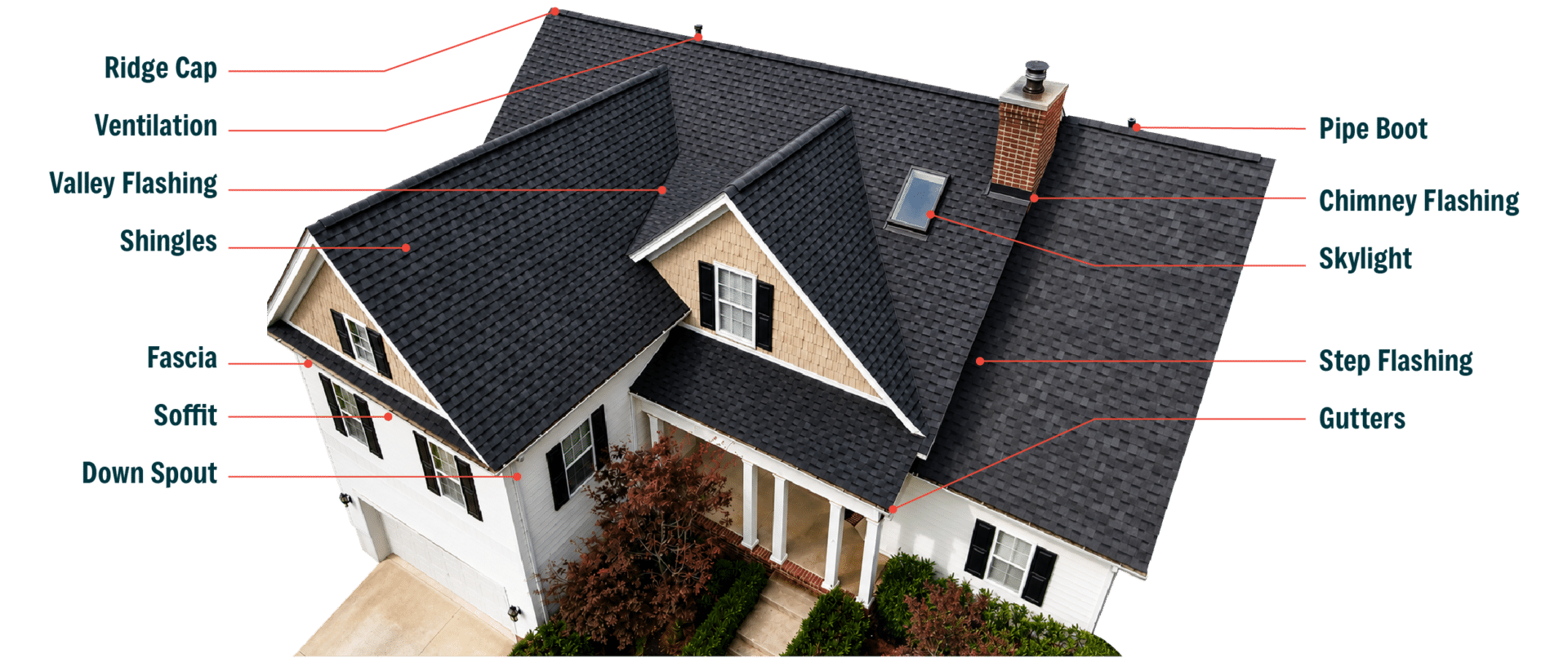
Your roof is more than shingles. It is a complete system of materials and components working together to protect your home from water, wind, heat, humidity, and long-term damage.
Mr. GoodRoof inspects, repairs, installs, and replaces every major part of your residential roofing system.
Roof Surface
Leak-Prone Areas
Ventilation & Structure
Edges & Water Management