Ridge Vent Retrofit
Who Installs Ridge Ventilation Without Replacing Your Roof in Nashville?
A licensed roofing contractor should install ridge ventilation on an existing roof because the work affects shingles, ridge caps, roof decking, intake airflow, and weather protection. In Nashville and Middle Tennessee, Mr. GoodRoof installs ridge vents on existing roofs when the roof condition, ridge length, soffit intake, and attic ventilation calculation support it.

Quick Answer
Who installs ridge ventilation without replacing the roof?
A roofing contractor with ventilation experience installs ridge ventilation without replacing the roof. The installer should inspect the existing shingles, ridge caps, decking, soffit intake, attic layout, and Net Free Area before recommending the work. Mr. GoodRoof provides free roof and attic ventilation assessments in Nashville so homeowners can find out whether ridge vent installation is possible without a full roof replacement.
Who to Call
Why should a roofing contractor install ridge ventilation?
A ridge vent is part of the roofing system, not just an attic accessory. Installing one on an existing roof may require removing ridge caps, cutting a controlled slot in the roof deck, installing the vent, restoring shingles and caps, and making sure water-shedding details are correct.
They understand the roof system
A qualified roofing contractor checks shingles, ridge caps, decking, roof pitch, valleys, penetrations, and roof condition before cutting into the roof.
They check intake and exhaust
Ridge vents are exhaust vents. The installer should verify that soffit intake or another approved intake path can supply enough air.
They prevent mixed-vent problems
Adding ridge ventilation without addressing box vents, turbines, powered vents, or gable vents can cause airflow to short-circuit instead of ventilating the attic.
They know when to say no
Some homes need turbines, box vents, off-ridge vents, intake improvements, or roof replacement planning instead of a ridge vent retrofit.
They install for weather protection
Ridge vent work must be integrated with shingles and ridge caps so the roof remains protected from rain, wind, and storm exposure.
They can explain repair vs. replacement
If the existing roof is too worn for a retrofit, a roofing contractor can explain whether ventilation should be corrected during a future roof replacement.
Balance First
What should the installer check before adding a ridge vent?
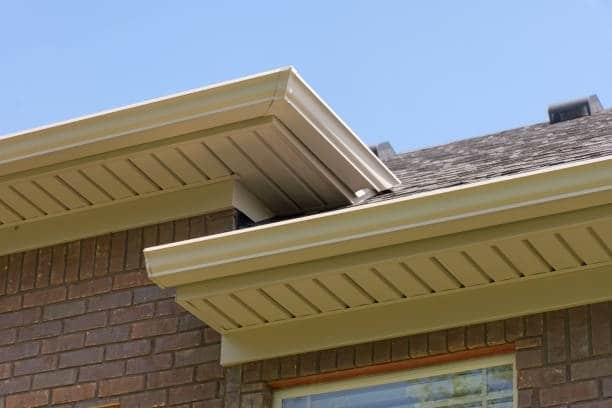
The installer should check whether the attic has enough low intake before adding high exhaust. Balanced ventilation depends on air entering low and exiting high. Without enough soffit intake, a ridge vent may not pull air through the full attic.
- Usable ridge length and roof design
- Existing ridge caps, shingles, and decking condition
- Soffit vents, fascia vents, baffles, and blocked intake areas
- Existing box vents, turbines, gable vents, or powered exhaust fans
- Attic square footage and Net Free Area requirements
- Moisture, heat, staining, or airflow concerns when the attic is accessible
Avoid the Shortcut
Should a handyman or HVAC company install ridge ventilation?
A handyman or HVAC contractor may understand parts of home comfort or airflow, but ridge vent installation changes the roof itself. Because the work affects roof decking, shingles, ridge caps, water protection, and manufacturer-style installation details, it should be handled by a roofing contractor who understands both roofing and attic ventilation.
If the upstairs is hot, the answer may involve HVAC, insulation, air sealing, or ductwork too — but the ridge vent itself belongs in the roofing contractor lane.
Right Fit
When can ridge ventilation be installed without replacing the roof?
Ridge ventilation can often be installed without replacing the roof when the existing roof is still serviceable and the attic ventilation design supports it. Mr. GoodRoof starts with the assessment because the same symptom — a hot upstairs or hot attic — can have several different causes.
Good retrofit candidate
Existing roof is in good enough condition, ridge line is usable, intake is available, and existing exhaust can be corrected or removed if needed.
Needs intake first
Ridge vent may be possible, but soffit intake is blocked, undersized, or missing. Intake improvements may be needed before exhaust is added.
Better during roof replacement
Shingles, ridge caps, decking, or roof edges are too worn for a clean retrofit. Ventilation planning should be included with roof replacement.
Better with another vent style
Roof shape, short ridges, hip sections, or attic layout may make turbines, box vents, or off-ridge vents a better option.
| Situation | What it means | Likely next step |
|---|---|---|
| Good retrofit candidate | Existing roof is serviceable, ridge line is usable, intake is available, and existing exhaust can be corrected if needed. | Ridge vent installation may be possible without full roof replacement. |
| Needs intake first | Soffit intake is blocked, undersized, painted over, or missing. | Improve intake before relying on ridge ventilation. |
| Better during roof replacement | Shingles, ridge caps, decking, or roof edges are too worn for a clean retrofit. | Plan ventilation as part of the replacement system. |
| Better with another vent style | Roof shape, short ridges, hip sections, or attic layout limit continuous ridge exhaust. | Consider turbines, box vents, off-ridge vents, or another balanced design. |
Before You Hire
What questions should you ask before hiring a ridge vent installer?
The right ridge vent installer should be able to explain the full ventilation system, not just quote a vent product. Use these questions before approving work on an existing roof.
Will you check my soffit intake?
If the answer is no, the recommendation is incomplete. Intake is what allows ridge exhaust to work.
Will you calculate ventilation needs?
Ask whether the contractor will review attic square footage and Net Free Area before recommending ridge vent length.
Will you inspect current vents?
Existing turbines, box vents, powered fans, or gable vents may need to be removed, adjusted, or accounted for.
Will this void or affect my roof?
The installer should explain how they will protect shingles, ridge caps, decking, and weather-shedding details.
Is my roof too old for this work?
If the roof is near replacement age, adding ridge ventilation now may not be the smartest use of the budget.
What happens if ridge vent is not the answer?
A good roofing contractor should give options, not force one ventilation product onto every home.
Our Process
How does Mr. GoodRoof handle ridge ventilation on an existing roof?
Mr. GoodRoof starts with a free ventilation assessment, then recommends the right repair, retrofit, or roof replacement timing based on the roof and attic conditions we actually see.

Inspect the existing roof
We check ridge caps, shingles, roof age, decking concerns, roof shape, and whether the roof can support a clean retrofit.
Check attic airflow
We review intake, exhaust, attic layout, signs of heat or moisture, and any vents that may be competing with each other.
Explain the options
If ridge ventilation is the right fit, we explain the installation. If not, we discuss turbines, box vents, intake fixes, repair, or replacement timing.
Install only when it makes sense
Our goal is not to sell a vent. Our goal is to help your attic and roof system breathe correctly with the right solution for your home.
Ventilation Examples
What roof ventilation options might be considered?
Ridge vents are one option, but the right system depends on the home. Mr. GoodRoof compares the roof design, attic layout, intake airflow, and existing vents before making a recommendation.
Ridge vent installation

Turbine roof vents

Different ventilation types
Homeowner Feedback
What do homeowners value during a ventilation inspection?
Homeowners often mention clear explanations, photos, practical recommendations, and no-pressure guidance after a Mr. GoodRoof inspection. For a ridge vent retrofit, that matters because the best answer may be ridge ventilation, intake improvement, another vent style, or waiting until roof replacement.
Clear photos and explanations
We show what we find so homeowners can understand the roof and attic conditions before deciding.
No-pressure recommendations
If ridge ventilation is not the best fit, we explain the better option instead of forcing one product.
Practical repair vs. replacement guidance
We help homeowners understand whether a ventilation retrofit, roof repair, or future roof replacement makes the most sense.
Free Assessment
Find out if ridge ventilation can be added to your roof.
Schedule a free roof and attic ventilation assessment. Mr. GoodRoof will inspect the existing roof, check intake and exhaust balance, and explain whether ridge vent installation can be done without replacing the roof.
Schedule Your Inspection Today
Related Ventilation Resources
Learn more about fixing roof ventilation without replacing the roof.
Free Roof & Attic Ventilation Assessment
Start with a free inspection of the roof, attic, intake, exhaust, and ventilation layout.
Schedule an assessmentCan Ventilation Be Fixed Without Replacing the Roof?
Learn when targeted ventilation fixes can work on an existing roof.
Read the guideRidge Vent Installation on an Existing Roof
See when ridge vent installation works, why intake matters, and when another option is better.
Learn about ridge vent installationRoof Ventilation Services
Explore Mr. GoodRoof's broader ventilation services for Nashville and Middle Tennessee homes.
View ventilation servicesTurbine Vents
Some homes need turbine vents instead of ridge vents depending on the roof and attic layout.
Compare turbine ventsBox Vents
Box vents may be part of the right exhaust design for certain existing roofs.
Compare box ventsFAQs
Questions about hiring someone to install ridge ventilation
Can Mr. GoodRoof install a ridge vent without replacing my roof?
Often, yes. If the existing roof is serviceable, the ridge is suitable, and the attic has enough intake, Mr. GoodRoof may be able to install ridge ventilation without a full roof replacement.
Who should I call for ridge vent installation?
Call a roofing contractor that understands attic ventilation. Ridge vent installation affects the roof deck, shingles, ridge caps, intake airflow, and weather protection, so it should not be treated as a simple handyman project.
Do I need soffit vents before adding a ridge vent?
In most balanced attic ventilation systems, ridge vents need low intake air from soffits or another approved intake path. Without intake, the ridge vent may not perform the way the homeowner expects.
Will adding a ridge vent fix a hot upstairs?
It may help if poor attic ventilation is part of the problem, but a hot upstairs can also involve insulation, HVAC, ducts, air sealing, sun exposure, or blocked intake. That is why Mr. GoodRoof starts with a roof and attic ventilation assessment.
Is ridge vent always better than turbines or box vents?
No. Ridge vents can be a great option for some homes, but turbines, box vents, or another ventilation design may be better for roofs with short ridges, hip designs, divided attic spaces, or intake limitations.
How do I know if my roof is too old for ridge vent installation?
A roof may be too worn for a clean ridge vent retrofit if shingles, ridge caps, decking, or roof edges are near the end of their service life. In that case, ventilation should usually be planned with roof replacement.
Source Notes
How this guidance is supported
ENERGY STAR explains that natural airflow in a well-vented attic helps move super-heated air out, protect roof shingles, and remove moisture. GAF describes balanced attic ventilation as intake and exhaust working together and uses Net Free Ventilation Area when planning attic ventilation. Lomanco explains that proper intake is key to balanced ventilation and that intake should provide as much as or more Net Free Area than exhaust. Local roof design, building conditions, and applicable codes can affect the final recommendation.
ENERGY STAR attic ventilation guidance | GAF ventilation calculator | Lomanco intake ventilation guidance