Existing-Roof Ventilation
Ridge Vent Installation on an Existing Roof in Nashville
A ridge vent can often be added to an existing roof, but it should not be installed just because the attic is hot. Mr. GoodRoof first checks the roof design, ridge length, soffit intake, attic airflow, and current vents to determine whether ridge ventilation is the right fix.

Quick Answer
Can a ridge vent be added to an existing roof?
Yes, a ridge vent can often be added to an existing shingle roof if the roof is in serviceable condition, has enough usable ridge line, and has enough intake ventilation near the soffits. Mr. GoodRoof checks the full attic ventilation system before recommending ridge vent installation, because adding exhaust without intake can leave the attic hot, humid, or poorly balanced.
Right Fit
When does ridge vent installation work well on an existing roof?
Ridge vent installation works best when the roof has a clean, continuous ridge and the attic can pull fresh air from lower intake vents. The goal is not simply to add another vent; the goal is to create steady airflow from the soffits or lower intake area to the highest point of the roof.
The roof has enough ridge line
A ridge vent needs enough usable peak length to provide the exhaust area the attic requires. Short ridges, hip roofs, and cut-up roof designs may need another ventilation option.
The soffits can provide intake
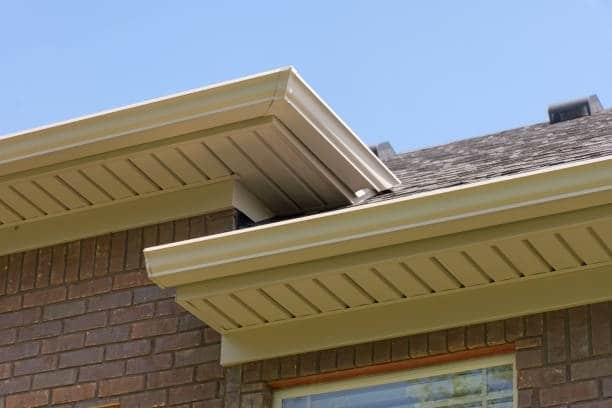
Ridge vents are exhaust vents. They need intake air from soffits, fascia vents, or another approved intake path to work properly.
The existing roof is still serviceable
If the shingles, ridge caps, decking, or roof edges are too worn, the smarter time to correct ventilation may be during roof replacement.
The current vents are not fighting each other
Mixing ridge vents with box vents, turbines, or powered exhaust in the same attic can short-circuit airflow if the system is not designed correctly.
The attic is open enough to move air
Blocked eaves, insulation packed into soffits, missing baffles, or divided attic spaces can limit how well any ridge vent performs.
The calculation supports it
Mr. GoodRoof checks attic square footage and Net Free Area so the ridge opening and intake area are sized to the actual home.
Balance First
Why does soffit intake matter before adding a ridge vent?
Soffit intake matters because a ridge vent is only the exhaust side of the ventilation system. Hot, moist attic air can exit near the ridge only when fresh outside air has a clear path into the attic from below.
If intake is blocked, undersized, or missing, the ridge vent may not move air through the whole attic. In some homes, the first fix is not the ridge vent itself — it is opening or improving the intake path so the exhaust can work.
- We check whether soffit vents are continuous, blocked, painted over, or covered by insulation.
- We look for baffles or air chutes that keep insulation from choking the intake path.
- We compare intake Net Free Area to the exhaust requirement before recommending a ridge vent.
Not Always the Answer
Is a ridge vent always the best ventilation option?
No. A ridge vent is not always the best ventilation option because every roof has a different attic layout, roof shape, ridge length, and intake path. Some Nashville-area homes perform better with turbines, box vents, off-ridge vents, or a different intake/exhaust design.
That is why Mr. GoodRoof does not recommend ridge vent installation until the roof and attic ventilation system have been measured and inspected.
What We Check
What does Mr. GoodRoof inspect before installing a ridge vent?
A ridge vent retrofit should start with the roof and attic conditions, not with the vent product. During a free ventilation assessment, Mr. GoodRoof checks the areas that determine whether ridge ventilation will actually help.
Roof ridge and roof design
We look at usable ridge length, roof pitch, hip sections, valleys, dormers, and cut-up areas that may limit continuous exhaust.
Soffit and lower intake
We check whether fresh air can enter at the eaves and whether insulation, paint, debris, or construction details are blocking intake.
Existing exhaust vents
We identify turbines, box vents, powered vents, gable vents, and other exhaust products so the system does not short-circuit itself.
Attic size and NFA
We calculate ventilation needs using attic square footage and Net Free Area so the amount of ridge vent and intake is properly balanced.
Shingles, ridge caps, and decking
We check whether the existing roof is suitable for a ridge vent installation or whether ventilation should be corrected during roof replacement.
Heat, moisture, and airflow signs
We look for attic heat buildup, moisture concerns, staining, mold-like growth, rusted fasteners, and other signs of poor airflow when accessible.
Compare Options
How does ridge vent installation compare with other roof vents?
Ridge vents are one of several roof exhaust options. The right choice depends on the roof design and whether the attic can support balanced airflow.
Ridge vents
Best fit: roofs with enough continuous ridge line and strong soffit intake.
Watch for: short ridges, blocked intake, or mixing with other exhaust vents.
Turbine vents
Best fit: some homes with limited ridge length or roof designs where ridge venting is not practical.
Watch for: correct placement, quantity, and intake balance.
Box vents
Best fit: certain roof layouts where static off-ridge exhaust is more practical than a continuous ridge vent.
Watch for: enough vents to meet calculated exhaust needs.
Intake improvements
Best fit: homes where the real problem is blocked, undersized, or missing intake.
Watch for: adding exhaust before solving intake.
| Option | Best fit | What Mr. GoodRoof checks first |
|---|---|---|
| Ridge vents | Roofs with enough continuous ridge line and strong lower intake. | Ridge length, intake NFA, roof condition, and existing exhaust vents. |
| Turbine vents | Some homes with limited ridge length or roof designs where ridge venting is not practical. | Vent count, placement, wind exposure, attic square footage, and intake balance. |
| Box vents | Certain roof layouts where static off-ridge exhaust is more practical than a continuous ridge vent. | Quantity needed, location, attic divisions, and whether other exhaust vents are present. |
| Intake improvements | Homes where the real problem is blocked, undersized, or missing intake. | Soffits, fascia, baffles, insulation blockage, and low intake options. |
Repair First
Should ridge ventilation be added now or during roof replacement?
Ridge ventilation can often be added before a full roof replacement if the roof is still in good condition. If the roof is older, brittle, leaking, or close to replacement, it may be smarter to correct the ventilation as part of the new roofing system.
Mr. GoodRoof’s recommendation depends on what the inspection shows. If targeted ridge vent work makes sense, we will explain that. If the roof system needs more than ventilation, we will show you why.
- Add now: the roof is serviceable, intake can be balanced, and the ridge line supports the needed exhaust.
- Plan with replacement: the shingles, ridge caps, decking, or roof design make retrofit work less practical.
- Choose another vent: the home has very little ridge line or a roof layout that needs turbines, box vents, or another approach.

How It Works
How does ridge vent installation on an existing roof work?
Mr. GoodRoof starts with the assessment, then recommends the least-disruptive ventilation fix that fits the roof system. If a ridge vent is the right option, the installation is planned around the calculated exhaust need and the condition of the existing roof.
Inspect the roof and attic
We check roof condition, ridge length, existing vents, soffit intake, attic airflow, and visible heat or moisture concerns.
Calculate the ventilation need
We compare attic square footage, exhaust requirements, intake requirements, and product Net Free Area.
Recommend the right option
If ridge venting fits the roof, we explain the installation. If it does not, we recommend turbines, box vents, intake improvements, or a roof replacement plan when needed.
Install and document the work
When ridge vent installation is approved, our team installs the correct ventilation approach and documents the finished work with photos.
Ventilation Examples
What ventilation details can affect a ridge vent decision?
Ridge vents are only one part of the roof ventilation conversation. These examples show why the full roof system matters.
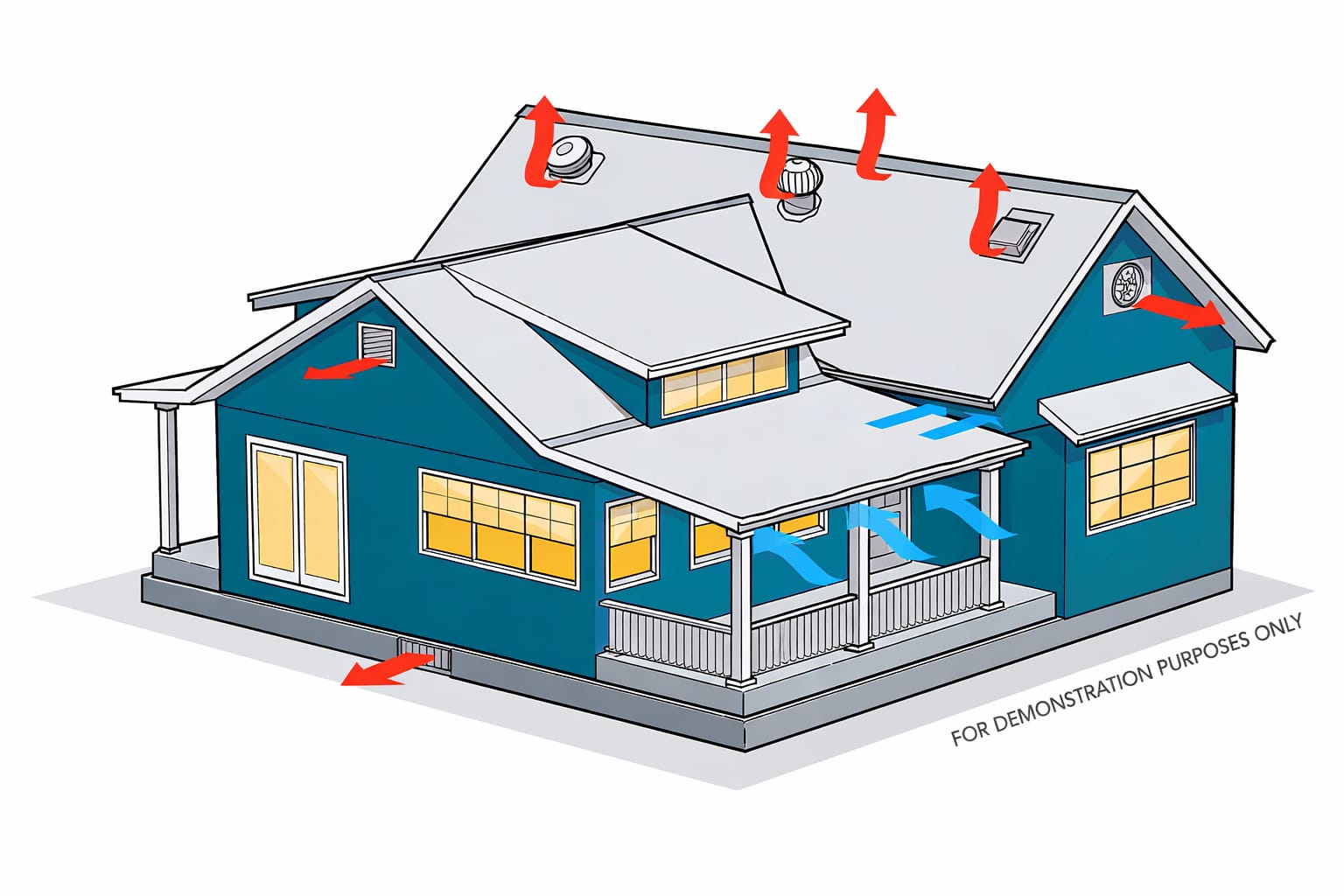
Balanced system: intake and exhaust should work together across the attic space.

Vent type matters: ridge vents, turbines, box vents, and intake vents solve different problems.

Not every home needs ridge vents: turbines may be better for some roof designs.
Homeowner Proof
What do homeowners value during a ventilation assessment?
Homeowners often want a clear explanation before they approve roof work. The strongest Mr. GoodRoof review themes for this type of page are communication, photos, no-pressure recommendations, and being told when a full roof replacement is not needed yet.
Clear explanations
Homeowners appreciate when the roofing issue is explained in plain English instead of rushed or oversold.
Photos and documentation
Roof and attic photos help homeowners understand what is actually happening before they make a decision.
No-pressure guidance
The Good Guys approach is to explain whether a ventilation fix, repair, or replacement plan makes the most sense.
Schedule a free ridge vent and attic ventilation assessment
Not sure whether your existing roof can support ridge vent installation? Mr. GoodRoof can inspect the roof, check the attic ventilation system, and explain whether a ridge vent, intake improvement, turbine, box vent, or roof replacement plan is the better next step.
Schedule Your Inspection Today
Related Resources
Helpful roof ventilation resources
Free Roof & Attic Ventilation Assessment
Start here if your upstairs is hot or your attic ventilation needs to be checked.
Schedule a ventilation assessmentCan Ventilation Be Fixed Without Replacing the Roof?
Learn when ventilation can be corrected on an existing roof and when replacement is smarter.
Read the existing-roof ventilation guideMain Roof Ventilation Services
See how Mr. GoodRoof evaluates intake, exhaust, attic conditions, and roof design.
Explore roof ventilation servicesWhat Type of Roof Vents Can Be Installed?
Compare ridge vents, turbine vents, box vents, and other ventilation options.
Compare roof vent typesSoffit and Intake Ventilation
Ridge vents need lower intake airflow to work properly.
Learn about soffit and fascia workRoof Replacement
If your existing roof is near the end of its life, ventilation should be planned into the full replacement system.
View roof replacement servicesFAQs
Ridge vent installation FAQs
Can you install a ridge vent without replacing the whole roof?
Yes, a ridge vent can often be installed without replacing the whole roof if the existing roof is in good condition and the roof design supports ridge ventilation. Mr. GoodRoof inspects the roof first to confirm whether a retrofit makes sense.
Does a ridge vent work without soffit vents?
A ridge vent needs adequate intake ventilation to work properly. If soffit vents are missing, blocked, or undersized, the attic may not receive enough fresh air for the ridge vent to exhaust hot, moist air effectively.
Is a ridge vent better than turbine vents or box vents?
Not always. Ridge vents can work very well on roofs with enough continuous ridge and balanced intake, but turbines or box vents may be better for homes with short ridges, hip roofs, or complex roof lines.
Can you mix ridge vents with box vents or turbines?
Mixing exhaust vents in the same attic can reduce performance if the system is not designed correctly. Mr. GoodRoof checks existing vents before recommending whether to remove, keep, or change any ventilation components.
How do you know how much ridge vent is needed?
The amount of ridge vent is based on attic square footage, required exhaust Net Free Area, product NFA ratings, and available intake. The ridge slot should match the calculated need rather than being cut open without a plan.
Can ridge vent installation help a hot upstairs?
It may help if attic heat is part of the problem and the ventilation system is properly balanced. A hot upstairs can also involve insulation, air sealing, HVAC, windows, or other home-performance issues, so the assessment should start with the roof and attic conditions.
Should I add a ridge vent if I am replacing my roof soon?
If the roof is close to replacement, it may be smarter to plan the ventilation system during the roof replacement instead of cutting into an older roof. Mr. GoodRoof can explain both options after inspection.
Do you offer free ridge vent inspections in Nashville?
Yes. Mr. GoodRoof offers free roof and attic ventilation assessments in Nashville and Middle Tennessee to help homeowners understand whether ridge vent installation or another ventilation fix is the right next step.
Technical source notes
This page uses source-supported ventilation principles. ENERGY STAR explains that natural airflow in a well-vented attic helps move super-heated air out, protect shingles, and remove moisture. GAF describes balanced ventilation as intake near the soffits and exhaust near the ridge, and warns that mixing exhaust products can short-circuit airflow. Lomanco explains that intake must provide as much as or more than exhaust in Net Free Area and recommends a common 1:300 intake/exhaust calculation, subject to local code requirements.
ENERGY STAR attic ventilation guide | GAF attic ventilation mistakes | Lomanco intake ventilation guidance | Lomanco ventilation calculation FAQ