
When it rains, your roof valleys do the hardest work.
A roof valley is where two slopes meet, creating a natural channel that directs water down and off your roof. Because of this, valleys handle more water than almost any other part of the system.
At Mr. GoodRoof, valleys are treated as one of the most critical areas of your roof. When built correctly, they protect your home for decades. When done wrong, they are one of the most common sources of leaks.

What Is a Roof Valley?
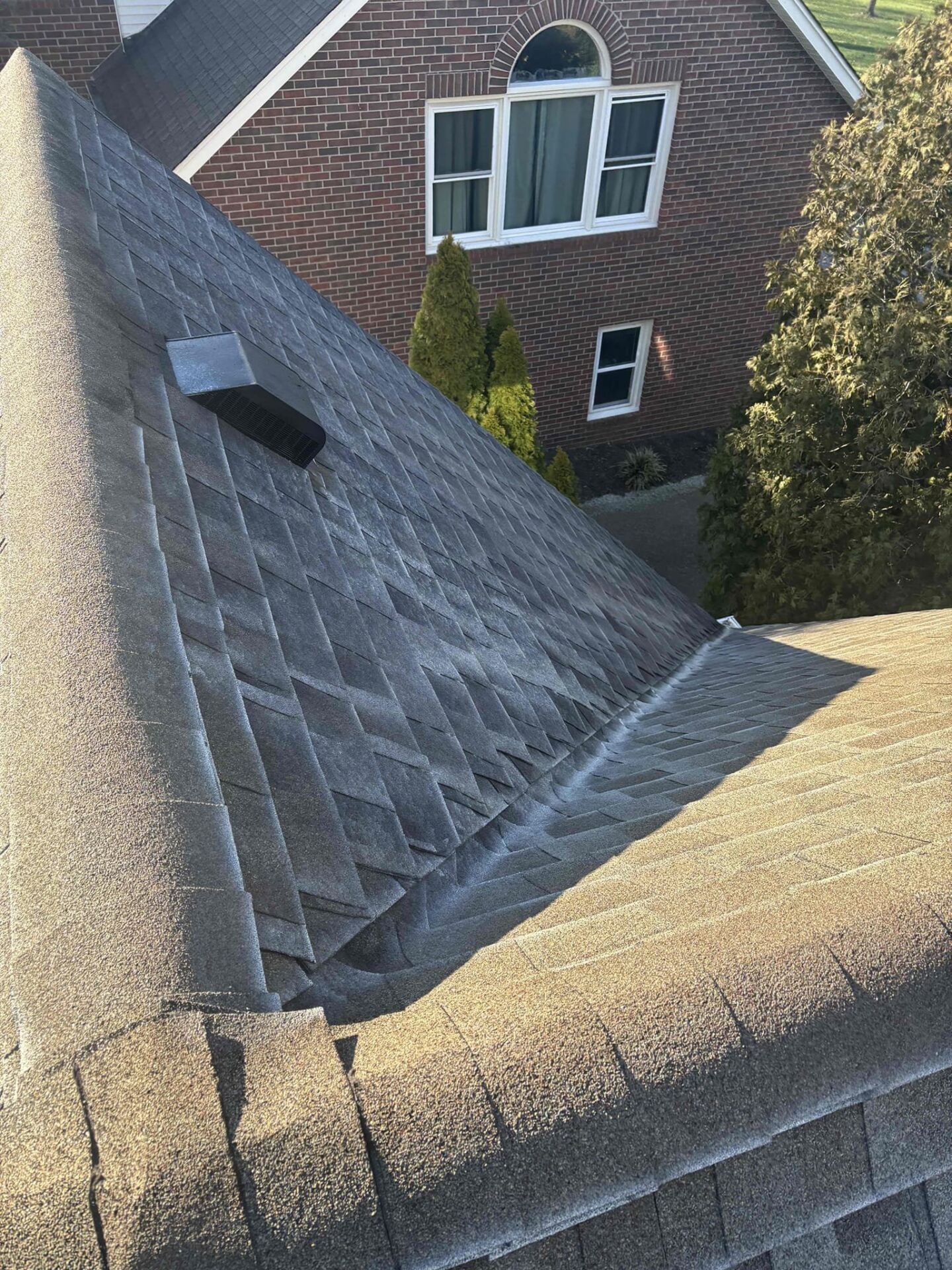
A roof valley is the line where two sections of your roof intersect, forming a V-shaped channel.
This channel collects and directs water toward the gutters, making it a key part of your roof’s drainage system.
Because valleys concentrate water flow, they must be built with extra protection and precision.
Why Roof Valleys Matter
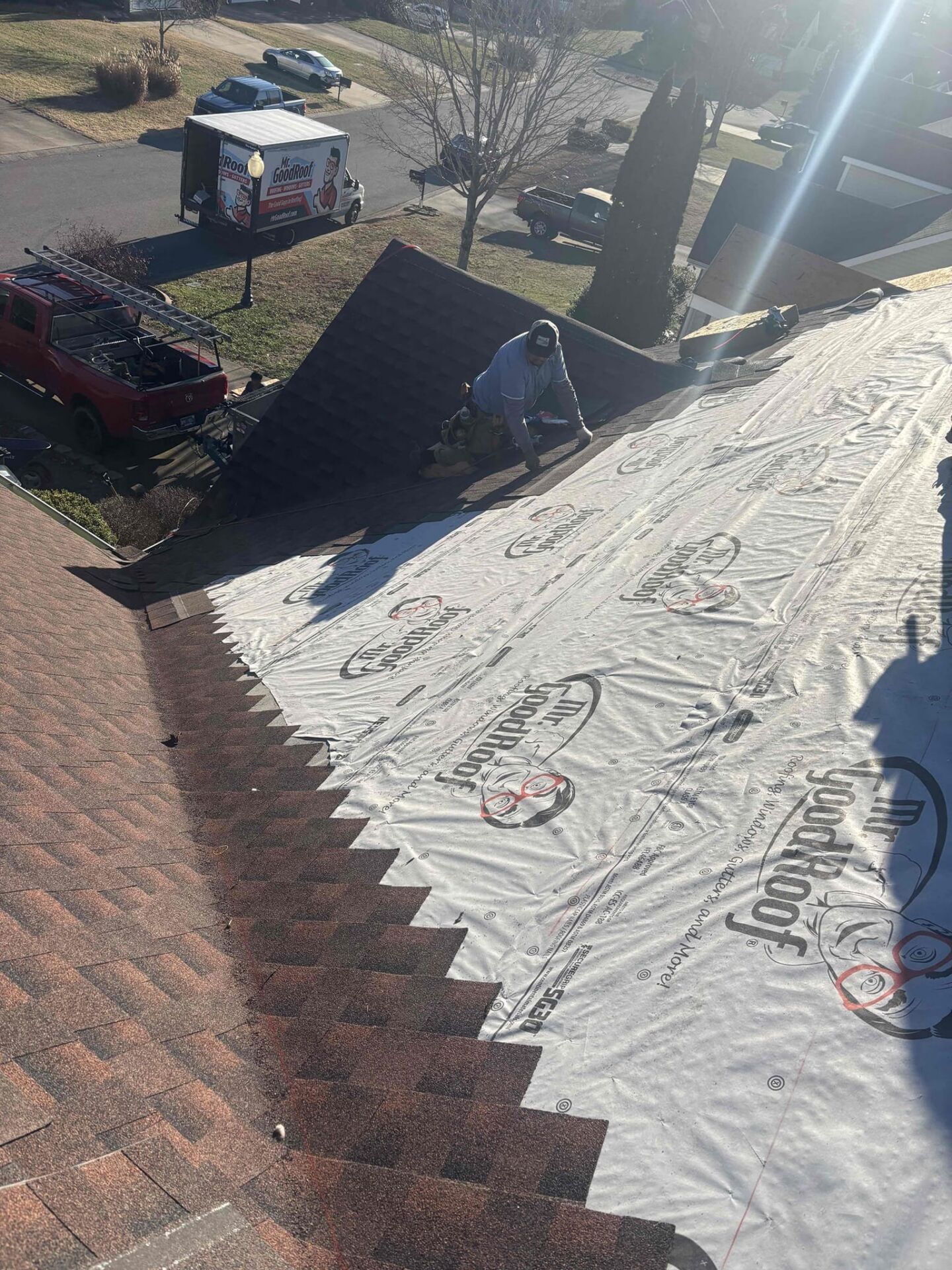
Every time it rains, water is funneled into your valleys.
This constant concentration of water makes valleys one of the highest-risk areas for:
If a valley fails, water can quickly penetrate the roofing system and cause interior damage.
Types of Roof Valleys
There are a few different ways valleys can be constructed, depending on the roof design and materials used.
Open Valleys
Open valleys use exposed metal to direct water down the channel. These are highly durable and allow water to flow freely without obstruction.
Closed Valleys
Closed valleys are covered with shingles, creating a seamless look. These rely heavily on proper installation and underlying protection to perform correctly.
At Mr. GoodRoof, we evaluate the home and recommend the best valley type based on performance and long-term durability.

Built for Heavy Water Flow
Valleys handle more water than almost any other area of the roof.
During heavy rainstorms in Middle Tennessee, large volumes of water can move through these channels quickly. That is why valleys require additional protection beyond standard roofing layers.
The Importance of Leak Barrier in Valleys
One of the most important components in a roof valley is the ice and water leak barrier.
This waterproof membrane is installed directly beneath the valley to provide a secondary layer of protection. Even if water gets past the shingles, the leak barrier helps prevent it from reaching the decking.
Skipping this step or using inferior materials is a major risk factor for leaks.
Common Valley Problems
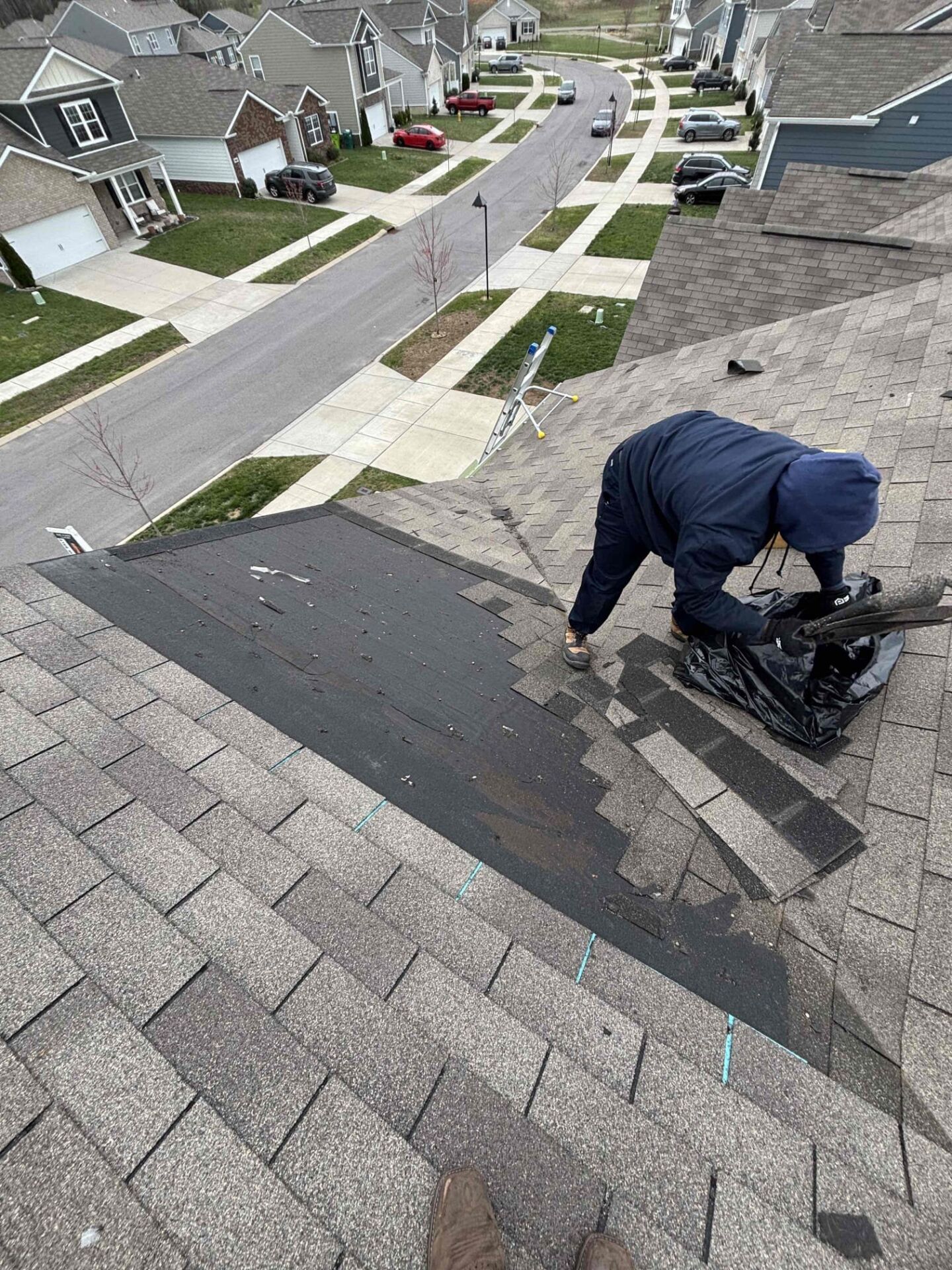
Roof valleys are one of the most common areas where issues develop.
Some of the problems we frequently see include:
These issues can lead to water backing up and entering the home.
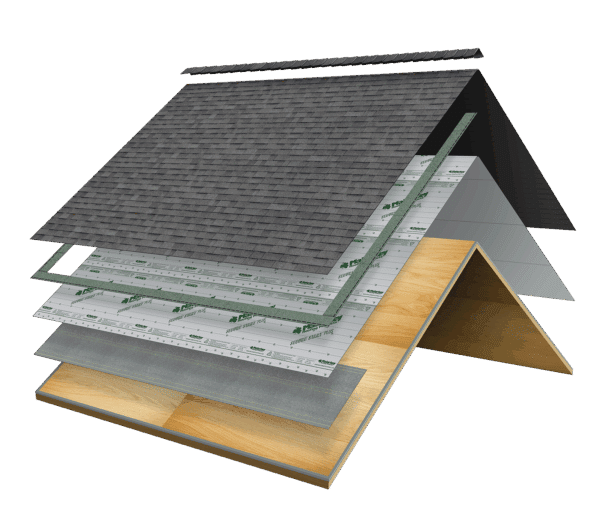
Built as Part of the Roofing System
Roof valleys are just one part of the full roofing system, working together with:
Each component supports the others, but valleys require special attention due to the volume of water they handle.
Installed the Right Way
At Mr. GoodRoof, we take extra care when building roof valleys.
Our process includes:
This attention to detail helps prevent one of the most common causes of roof leaks.
Get a Roof Inspection from Mr. GoodRoof
If you are planning a roof replacement or have concerns about water drainage on your roof, valleys should be a key focus.
Mr. GoodRoof provides thorough inspections and evaluates all high-risk areas, including roof valleys, to ensure your system is built correctly.
Contact us today to schedule your inspection and make sure your roof is ready to handle the heaviest storms.

Call for immediate assistance.
⚠️Emergency Repairs? We’re on it.
📅 Same-Day Appointments Available
✅ Free Inspection