Roof & Attic Ventilation Services in Nashville, TN
Hot upstairs rooms may not be an AC problem.
When attic airflow is wrong, heat and moisture can build up under the roof system — making upper floors harder to cool, shortening shingle life, and in some cases affecting warranty coverage.
Mr. GoodRoof evaluates intake, exhaust, soffits, attic conditions, roof design, and existing vents before recommending the right solution. We inspect the full system — not just the vents you can see.
Your roof does not just need more vents. It needs the right airflow for your home — calculated from attic size, intake, exhaust, Net Free Area, and roof design.
Request Your Free Inspection
★4.8 300+ Google Reviews | Lomanco-Certified Ventilation Design | GAF Master Elite® | Malarkey Emerald Premium | A+ BBB
Start Here
What Are You Trying to Solve?
You should not have to diagnose your roof before calling a roofer. Start with the problem you are noticing, and we will help you understand whether the issue points to ventilation, insulation, roof repair, soffit/fascia work, or roof replacement.

My upstairs is always hot
Your attic may be trapping heat under the roof deck. We check intake, exhaust, insulation interference, attic temperature, and roof design.
My A/C runs constantly
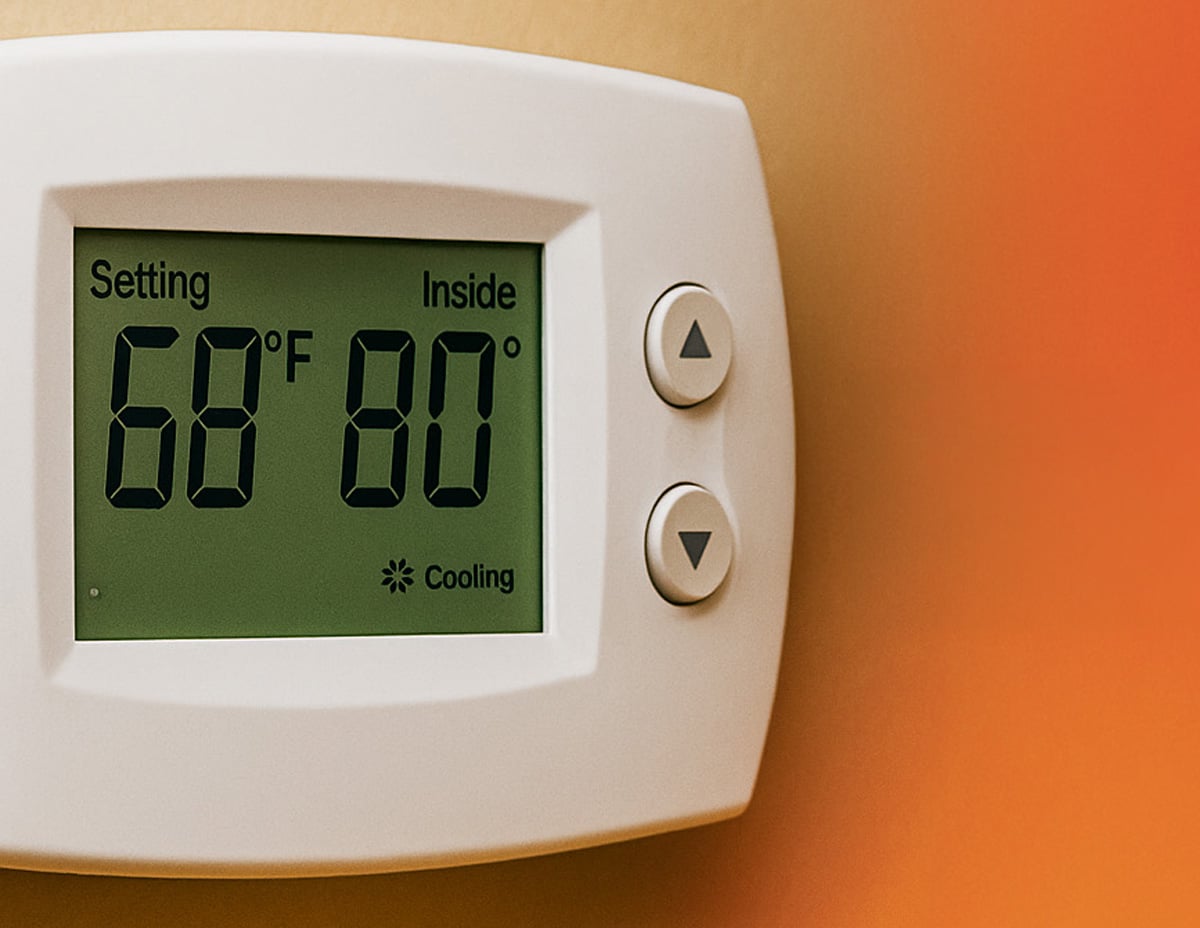
If attic heat is radiating into the living space, your cooling system may be fighting a roof ventilation problem instead of a broken AC unit.

My attic smells musty or humid
Moisture may not be escaping properly. We inspect airflow, condensation signs, roof decking, soffit intake, and exhaust capacity.

My shingles seem to be aging too fast
Excess heat and moisture can stress roofing materials from below. We check whether ventilation is contributing to premature wear.
I am replacing my roof
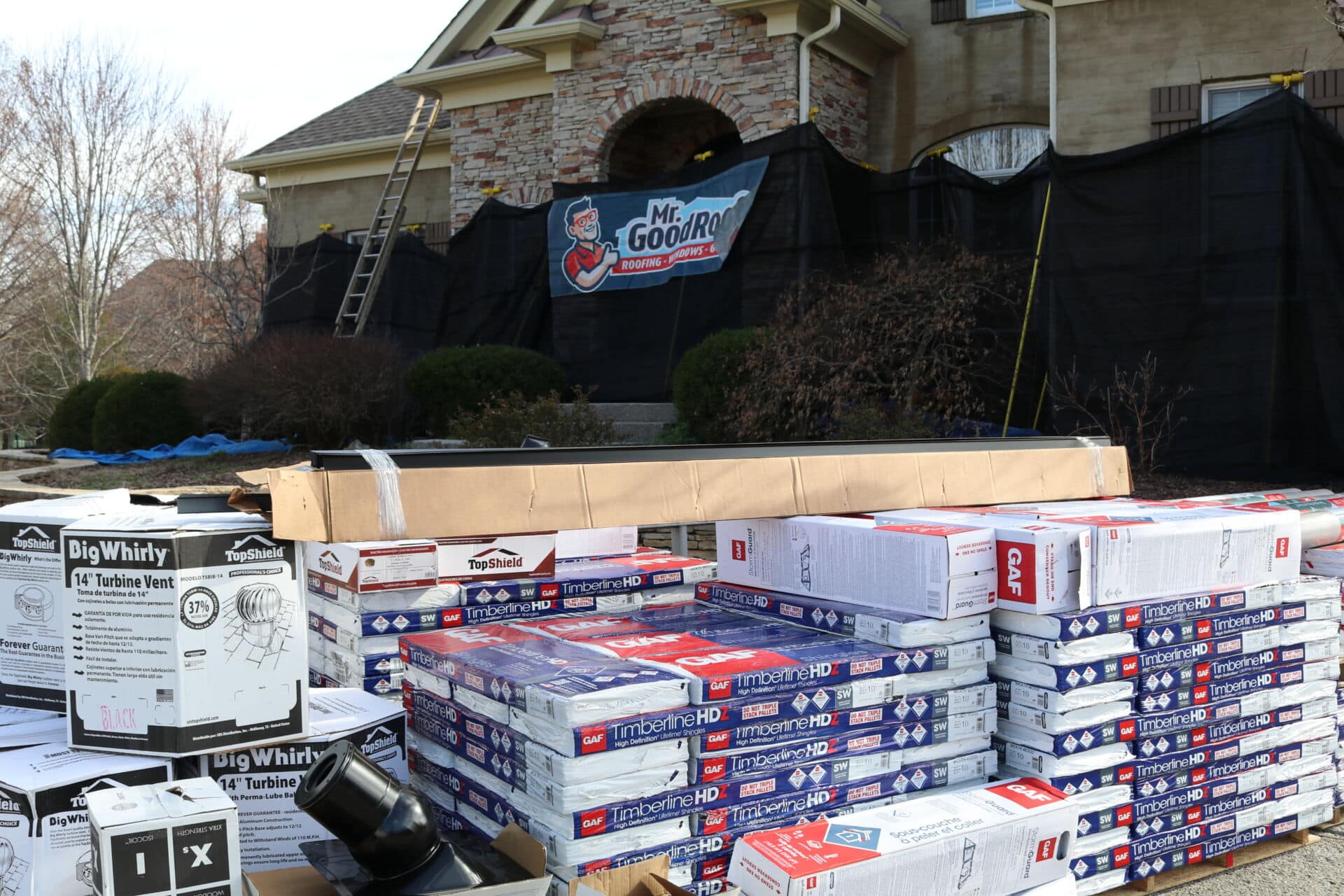
Ventilation should be evaluated before the new roof is installed. Reusing the old ventilation plan can carry old problems into a brand-new roof.

I have soffit, fascia, or gutter problems
Roof-edge issues can affect intake ventilation. We inspect whether damaged soffits, fascia, or gutters are restricting airflow.

I do not know what type of vent I need
Ridge vents, box vents, turbine vents, powered vents, and soffit vents all work in the right situation. The right answer depends on your home.
1
Upstairs rooms stay hot
Upper floors that will not cool down in summer may point to trapped attic heat.
2
A/C runs constantly
Attic heat can add load for the HVAC system to overcome.
3
Attic moisture or musty odors
Moisture that cannot escape can create condensation risk and odors.
4
Shingles aging early
Heat buildup under the roof deck may contribute to curling, blistering, or granule loss.
5
Blocked or missing soffit vents
Paint, insulation, debris, or missing intake can cut off the airflow path.
6
No ventilation discussion during estimate
A new roof quote that does not address ventilation may be missing a critical system detail.
How Roof Ventilation Works
How Roof Ventilation Works
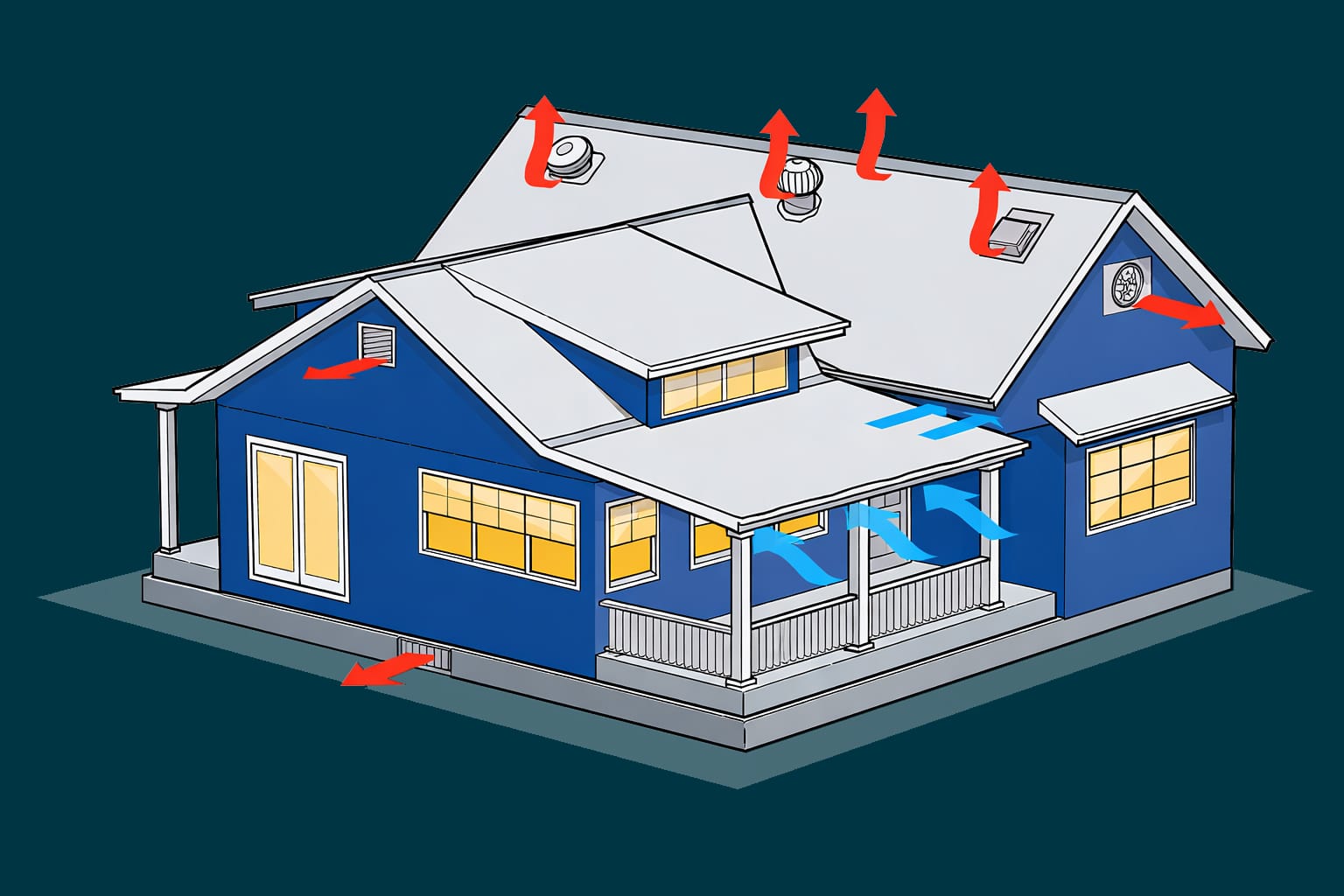
A properly ventilated roof works through a balance of two sides: intake and exhaust. When both sides are in balance, air moves through the attic the way it should.
When ventilation is wrong, it may contribute to:
When ventilation is designed correctly, it can help support:
More Than Just Shingles
Find the Part of Your Roof That Needs Help
Your roof is more than shingles. It is a complete system of materials and components working together to protect your home from water, wind, heat, humidity, and long-term damage.
Mr. GoodRoof inspects, repairs, installs, and replaces every major part of your residential roofing system.
Why calculation matters
Mr. GoodRoof is Lomanco-certified and uses ventilation calculation tools to determine what the roof actually needs. We look at attic square footage, Net Free Area, intake availability, exhaust capacity, ridge length, roof design, and signs of heat or moisture stress before recommending a solution.
The goal is not to sell the most common vent. The goal is to calculate the airflow your home needs and design the right intake and exhaust path.
Attic square footage
We start with the attic size because ventilation needs are based on the enclosed attic space, not just the number of vents already on the roof.
Net Free Area
We reference Net Free Area — the actual open airflow capacity of the vent — so the recommendation is based on performance, not how large a vent looks from the outside.
1:300 guideline
Lomanco’s calculation method uses the common 1:300 attic ventilation guideline as a starting point, then splits the need between intake and exhaust while considering local code and product requirements.
Intake and exhaust balance
More exhaust does not fix poor ventilation if the intake side is blocked. We check soffits, baffles, and existing exhaust vents together so the system can move air the way it should.
Mixed exhaust systems
We look for exhaust vents that may be fighting each other. If different exhaust vents pull from each other instead of from soffit intake, the attic may stay hot even with plenty of visible vents.
Heat and moisture evidence
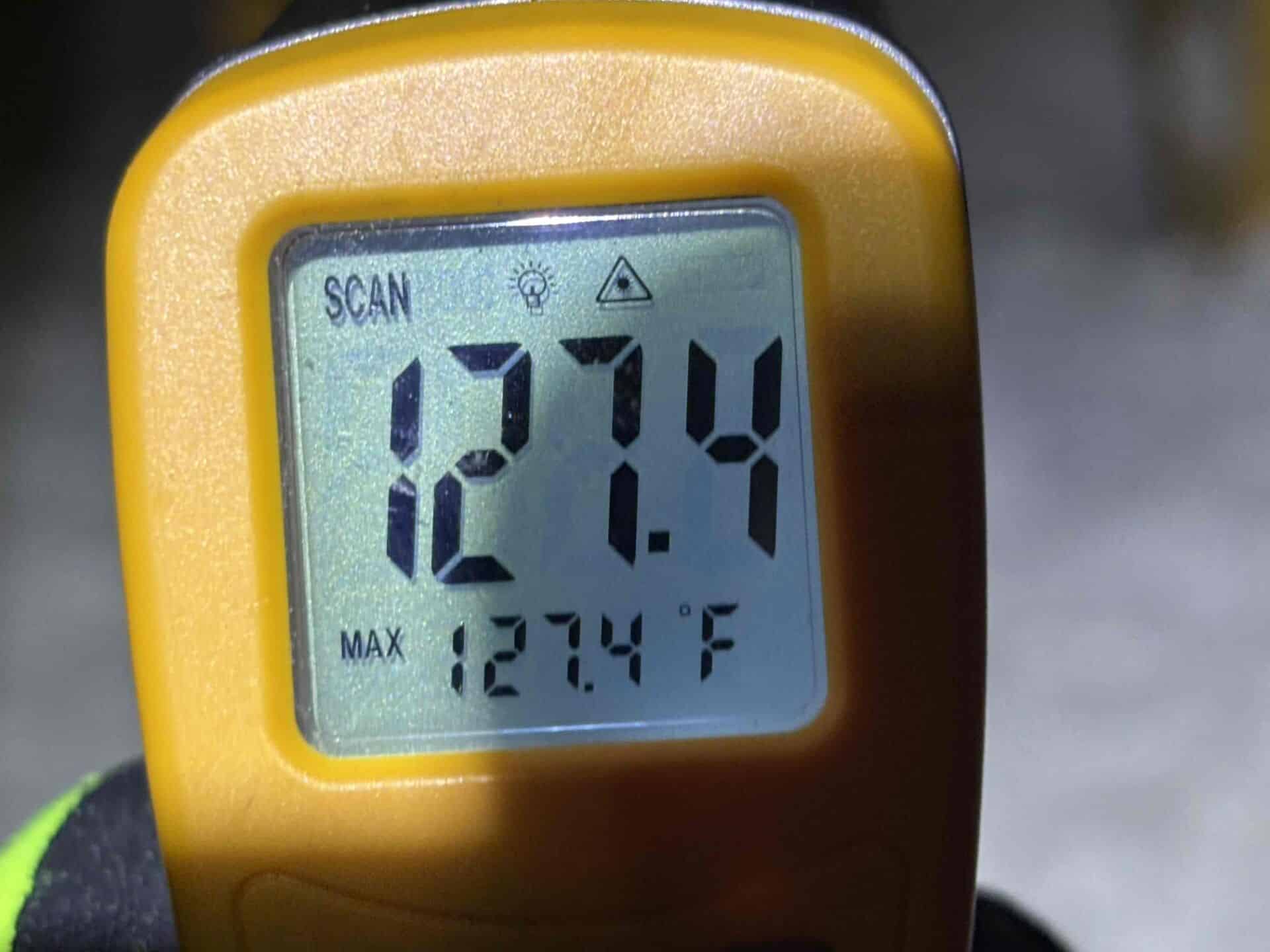
When access and conditions allow, we use visual inspection, photos, attic temperature readings, and moisture meters to evaluate whether heat or moisture is stressing the roof system.
Our Process
What We Check During a Ventilation Inspection
Mr. GoodRoof inspects the full airflow system — not just the visible vents on top of the roof. We calculate, inspect, and document the factors that determine whether the attic can actually breathe.
What Happens Next
What Happens After the Inspection.
A good inspection should leave you with answers, not pressure. Your Mr. GoodRoof project manager will explain what we found in plain English and recommend the right next step.
What is causing the issue
You will know whether the concern appears to be intake, exhaust, blocked soffits, roof design, attic moisture, damaged vents, insulation interference, roof aging, or another part of the system.
Photos and findings
When appropriate, we will show photos, review the condition of your current vents, and explain whether your soffit intake is clear or blocked.
Repair vs. replacement path
You will receive a simple explanation of whether the right next step is ventilation repair, soffit/fascia work, roof repair, roof replacement, or no work at all.
A written estimate
If work is needed, you will receive a written estimate. If your ventilation is already working properly, we will tell you that too.
Repair-first guidance
Can Ventilation Be Fixed Without Replacing the Roof?
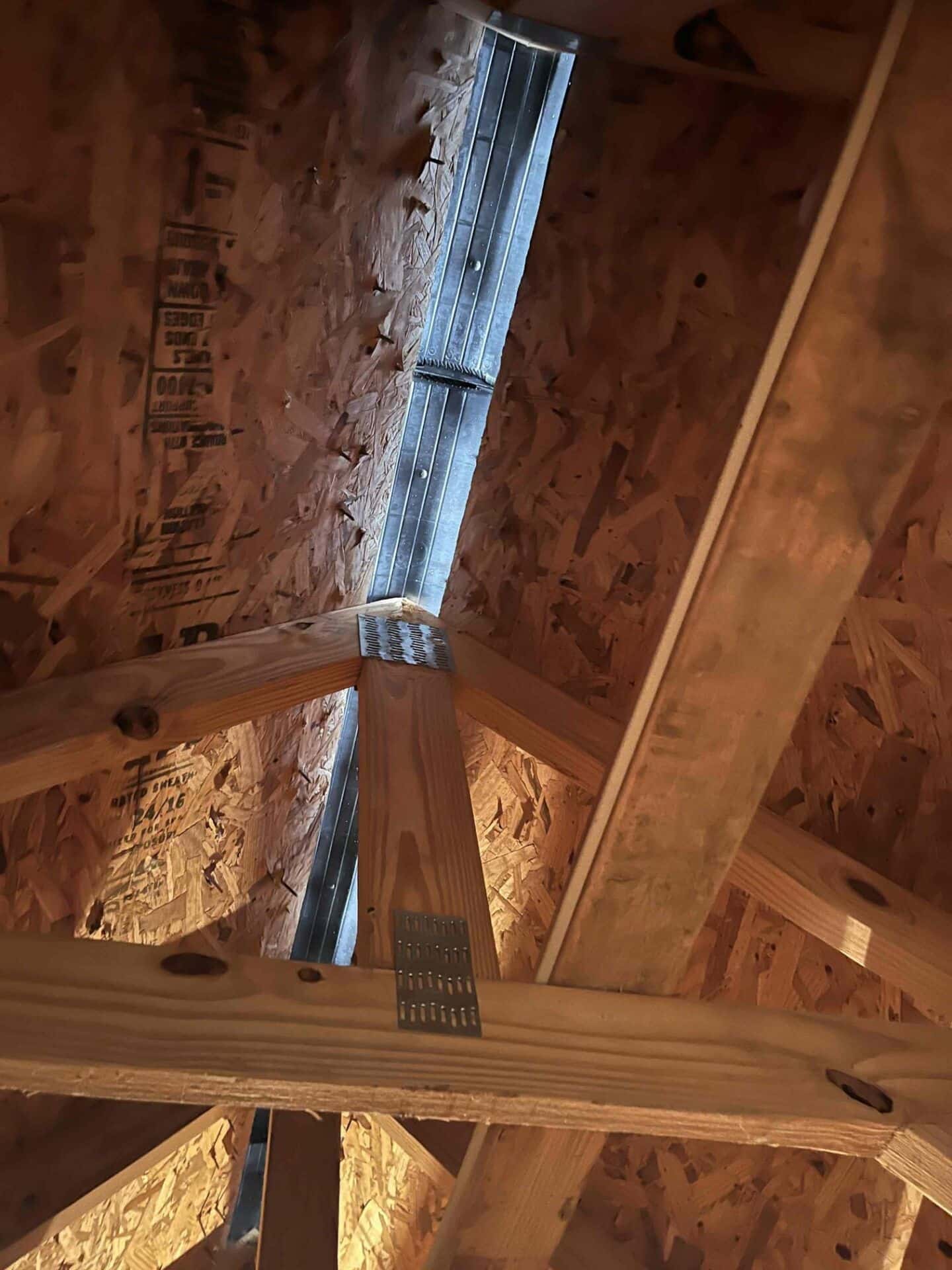
Yes, many ventilation problems can be corrected without replacing the full roof. If the issue is blocked soffit intake, damaged vents, missing baffles, limited exhaust, or a specific vent failure, Mr. GoodRoof may be able to recommend a targeted repair or upgrade.
Other issues are best addressed during roof replacement, especially when the roof is aging, incorrectly designed, or already showing signs of system failure. The point of the inspection is to know which situation applies.
Standalone ventilation services include:
Vent types we install and evaluate
The Right Vent Depends on the Home
No single vent type is right for every roof. Ridge vents, box vents, turbine vents, powered vents, solar vents, gable vents, and soffit vents can all perform well — in the right situation, designed correctly, with balanced intake and exhaust.
Hot Upstairs? Your Roof Ventilation May Be Part of the Problem.
A hot second floor, bonus room, or room over the garage may not be only an HVAC issue. If heat cannot escape the attic properly, roof ventilation may be contributing.
Learn Why Your Upstairs Stays Hot See case studyQuick Comparison: Which Vent Type Fits Your Roof?
Every home is different. This table shows general guidance — a ventilation inspection determines what is right for your specific roof design.
| Vent Type | Best Fit | Watch-Out |
|---|---|---|
| Ridge vents | Long, continuous ridgelines with clear soffit intake | Not ideal when ridge length is limited or intake is blocked |
| Box vents | Hip roofs, complex rooflines, limited ridge area | Quantity and placement are critical |
| Turbine vents | Larger attics or homes where passive systems fall short | Need adequate intake; moving parts require maintenance |
| Soffit vents | Intake for nearly every balanced system | Often blocked by insulation, paint, or construction changes |
| Powered / solar vents | Specific high-heat or moisture situations | Can pull conditioned air if intake is poor |
| Gable vents | Supplemental airflow on some homes | Not a complete solution on its own |
Part of the complete roofing system
Ventilation During Roof Replacement
Many roofing companies replace shingles and reinstall whatever ventilation system was already there. The problem is that the original system may have been incorrectly designed from day one.
Mr. GoodRoof evaluates ventilation on every roof replacement because it affects the entire system — not just the shingles. We look at attic size, ridge length, soffit intake capacity, roof design, manufacturer requirements, and warranty considerations before recommending a ventilation approach.
That is part of what makes a roof replacement a complete roofing system — not a shingle swap.
Watch: The Overlooked Key to a Longer-Lasting, Energy-Efficient Roof
Warranty question
Does Roof Ventilation Affect My Warranty?
Yes, ventilation can affect roof performance and warranty coverage. Most manufacturer warranties require the roof to be installed according to specification, which can include proper attic ventilation, balanced airflow, and correct system components.
If a roof traps heat and moisture because ventilation was not designed correctly, the issue may not be the shingle itself. It may be the system underneath it. That distinction matters when a warranty claim is filed.
Mr. GoodRoof brings the ventilation conversation forward before a qualifying roof replacement begins. We explain what the roof needs, what may affect coverage, and how the ventilation system fits into the complete system.
Important note: improper ventilation can affect warranty coverage — not automatically void every warranty. Coverage depends on the manufacturer, roofing system, installation details, and the nature of the claim.
Where We Work
Proudly Serving Middle Tennessee
We serve homeowners across 11 counties throughout Middle Tennessee. From Nashville’s urban neighborhoods to surrounding communities.
Nashville • Hendersonville • Franklin • Brentwood • Gallatin • Mt. Juliet • Murfreesboro • Spring Hill • Smyrna • Clarksville • Columbia • Dickson and surrounding communities
Serving all of Middle Tennessee
Mr. GoodRoof proudly provides roofing services across Middle Tennessee, including Davidson, Sumner, Williamson, Rutherford, Wilson, Montgomery, Maury, Marshall, Robertson, Cheatham, and Dickson counties. Whether you’re in Nashville, Hendersonville, or any surrounding town, we’ve got you covered with expert roofing solutions.
Common Questions