
When it comes to moving heat and moisture out of your attic, not all ventilation systems perform the same.
When it comes to moving heat and moisture out of your attic, the right ventilation system depends on the home. On many roofs — especially larger homes, hip roofs, or homes with limited ridge length — passive systems like ridge vents may not provide enough airflow on their own.
Turbine vents can be a strong solution in these situations. They use wind to actively pull hot air from the attic, improving airflow performance where passive systems fall short.
At Mr. GoodRoof, we evaluate each roof before recommending a ventilation system. Turbine vents are one of the options we use — when the home’s design supports them and the intake side of the system is balanced.

What Are Turbine Vents?
Turbine vents are roof-mounted ventilation units that use wind to spin a circular head, creating a vacuum effect that pulls hot air out of the attic.
You may recognize them as the round, metal vents that spin when the wind blows.
Unlike static vents, turbine vents actively move air rather than relying only on natural heat rise.

How Turbine Vents Work
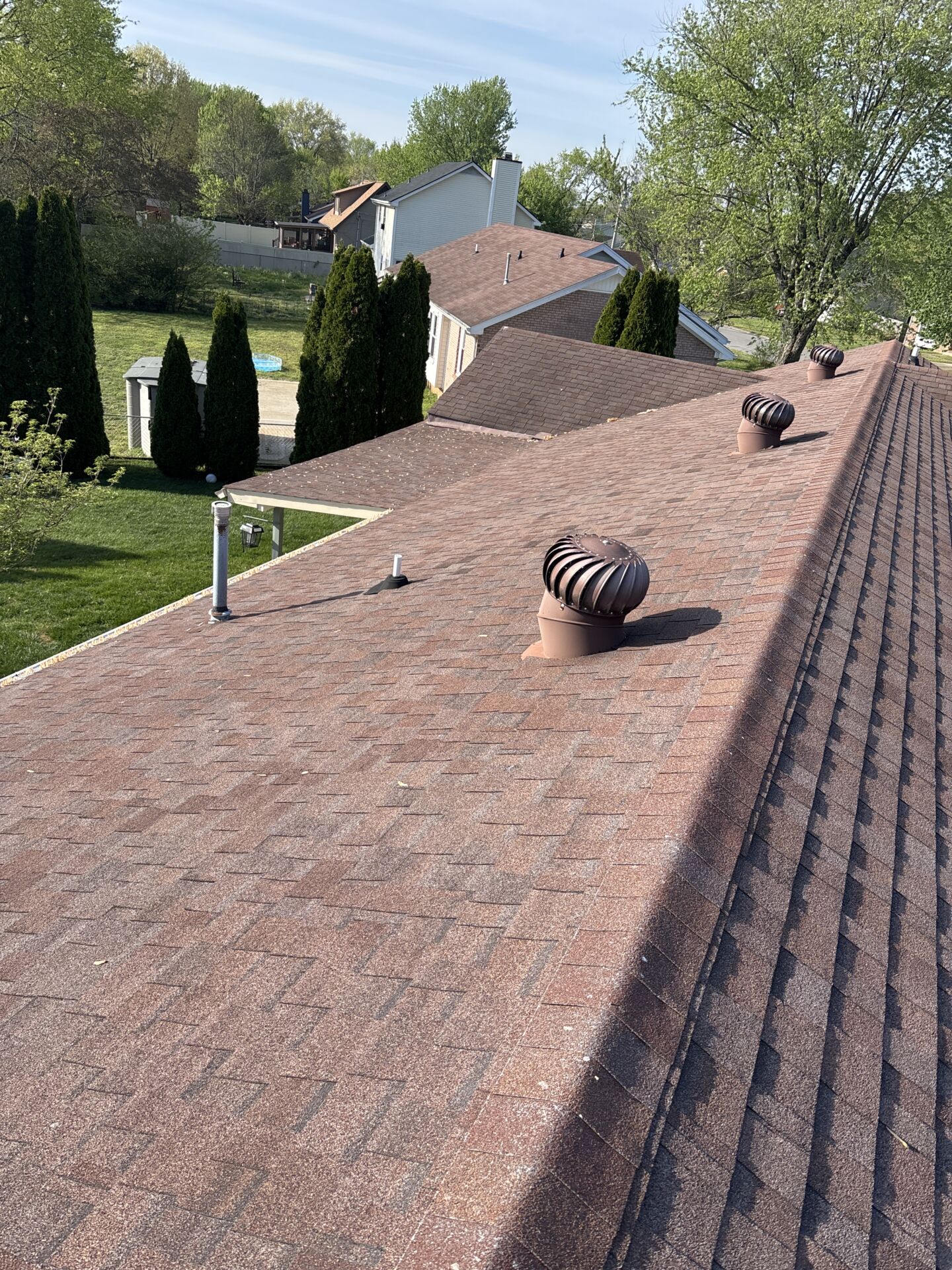
Turbine vents use wind energy to increase airflow through your attic.
As wind passes through the turbine, it spins the blades, which creates suction. This pulls hot, trapped air out of the attic space while drawing in cooler air from the soffit vents below.
Even in light wind conditions, turbine vents can help improve ventilation performance compared to passive systems.
Why Turbine Vents Are So Effective
One of the biggest challenges in roofing is getting enough air moving through the attic.
On many homes, especially larger or more complex designs, passive systems like ridge vents or box vents may not provide enough airflow to properly ventilate the space.
Turbine vents help solve this by actively pulling air out, which can:
This added airflow can make a significant difference in how your roof performs over time.
When Turbine Vents May Not Be the Best Fit
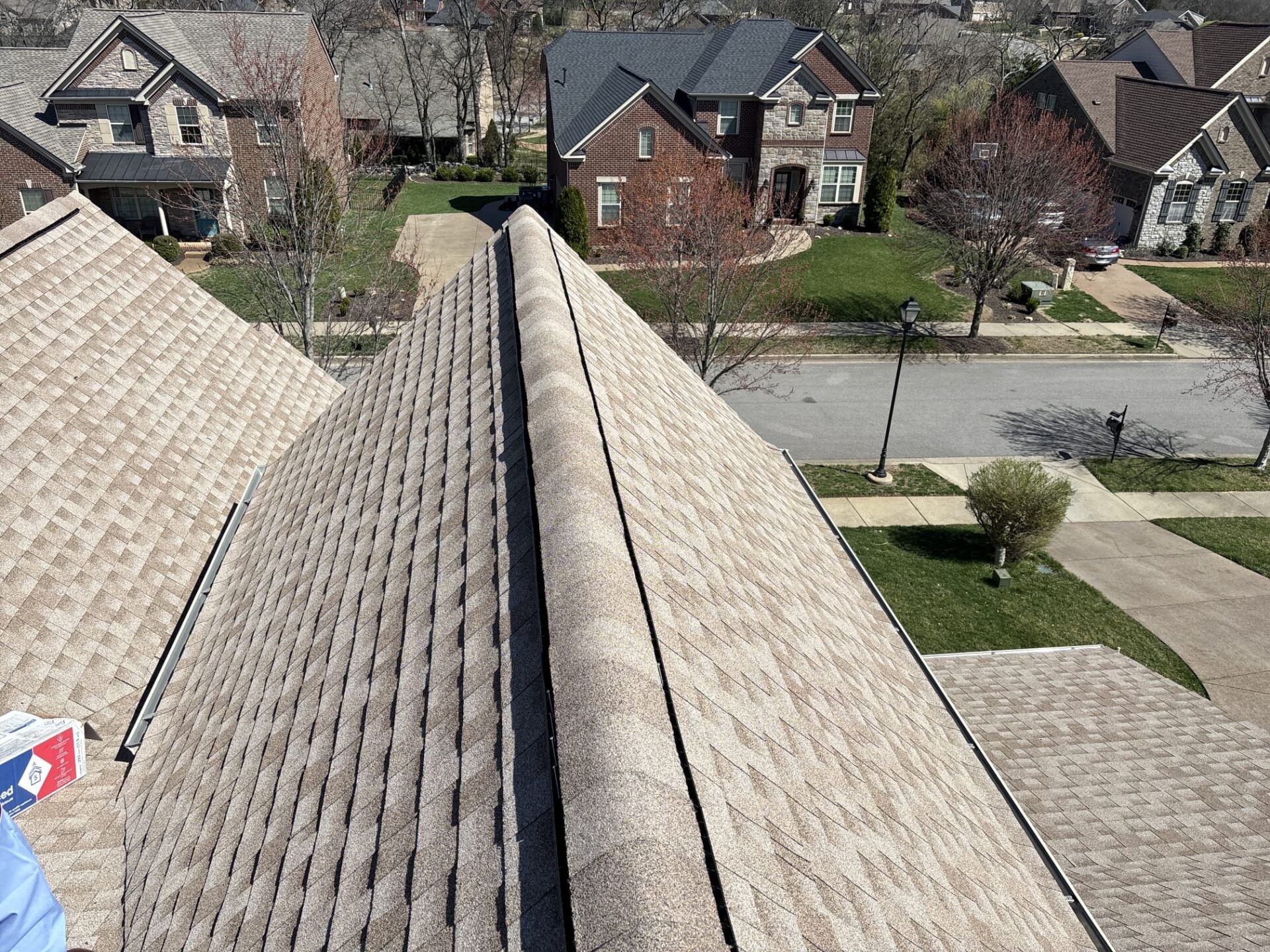
Turbine vents are not the right solution for every home. They may not be the best option when:
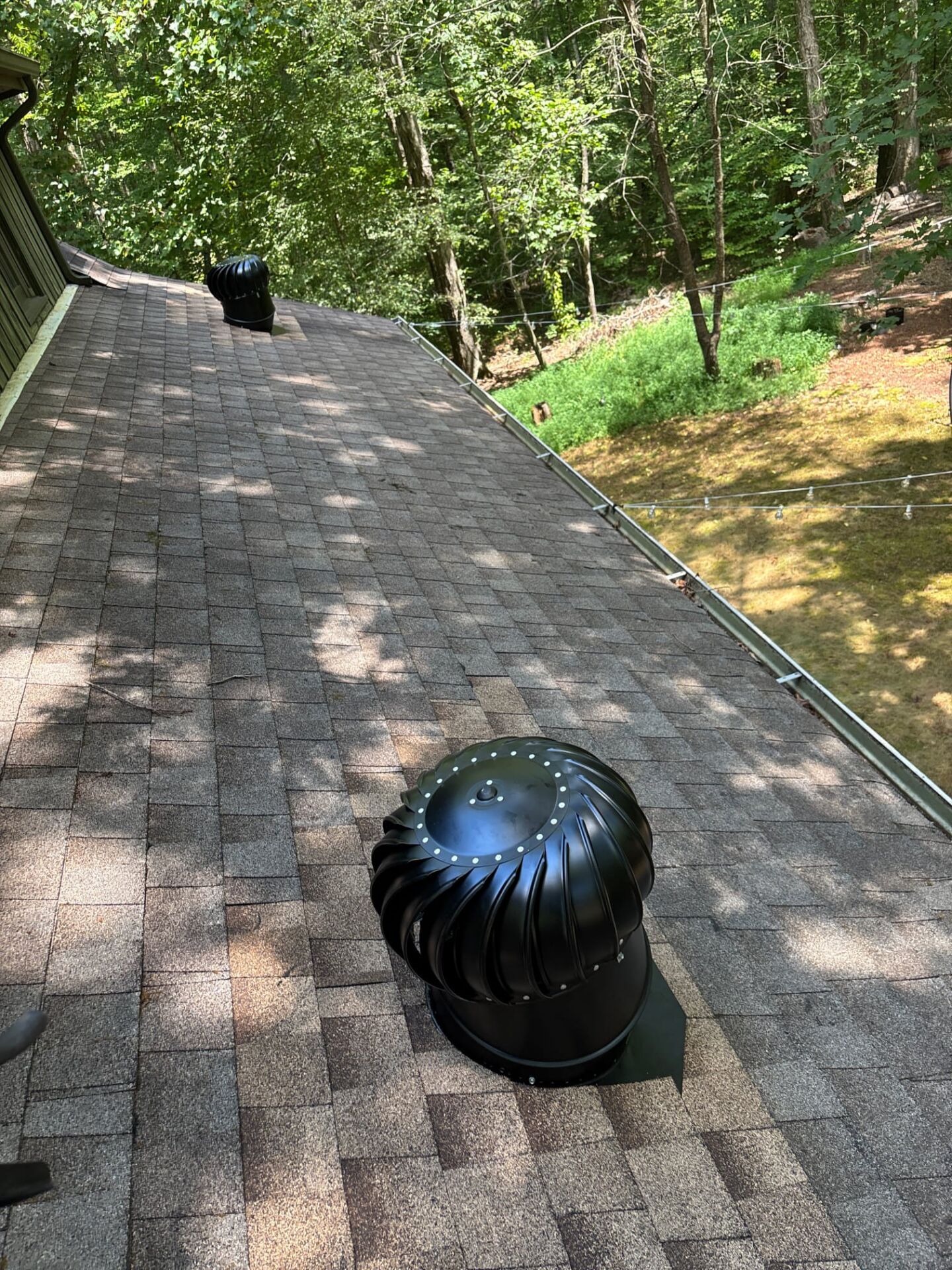
Ideal for Larger and Complex Roofs
Turbine vents are often the best choice for:
In these situations, turbine vents can provide the extra airflow needed to properly balance the system.
Designed Based on Your Home
One of the most important aspects of using turbine vents is proper calculation and placement.
Installing one or two turbines on a large roof is not enough. The number of vents must match the size and ventilation needs of the home.
At Mr. GoodRoof, we evaluate each roof and determine:
This ensures your roof gets the airflow it needs to perform properly.
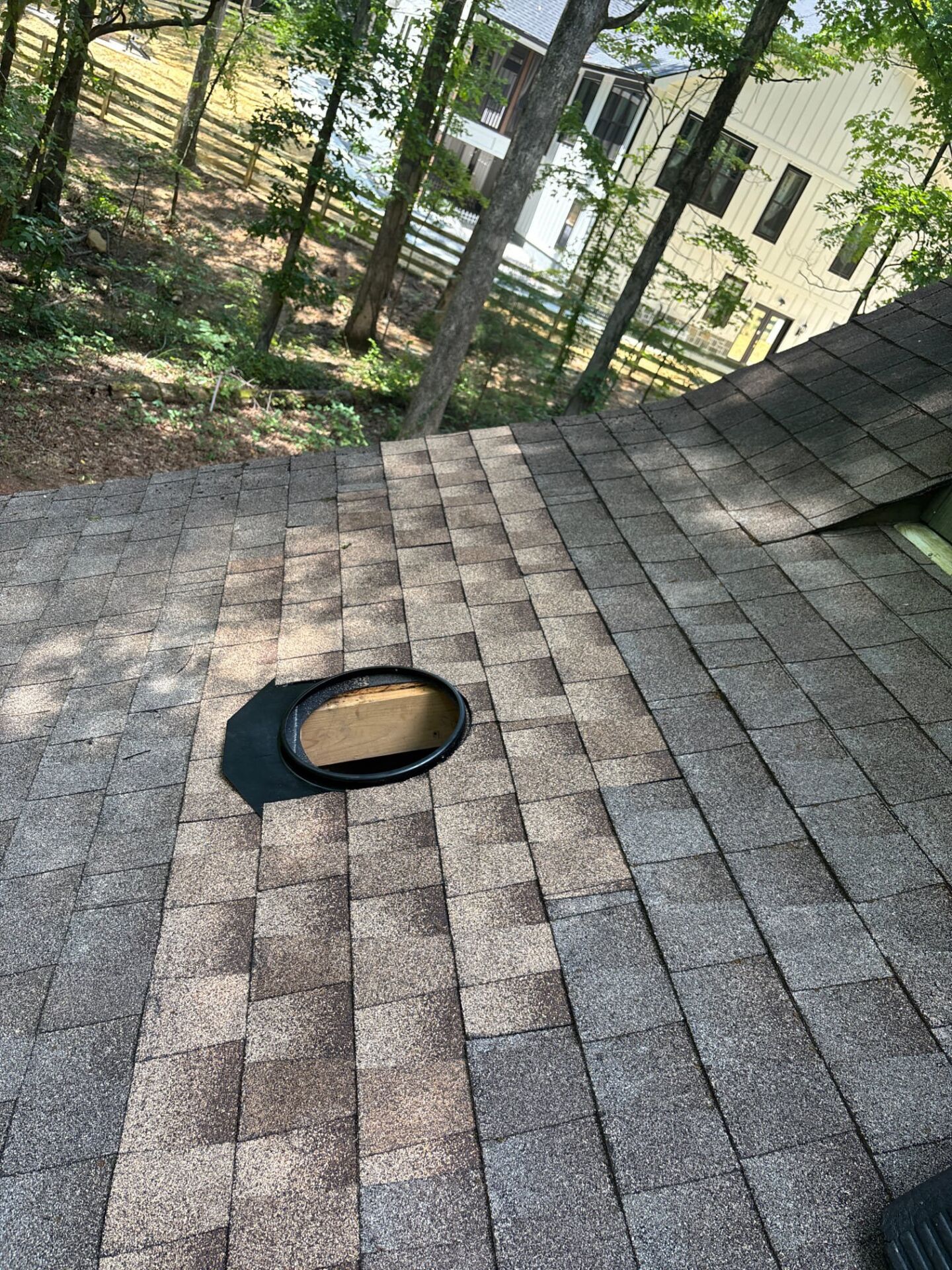
Turbine Vents vs. Other Ventilation Options
There are several types of roof ventilation systems, including:
Turbine vents stand out because they actively move air, rather than relying only on passive airflow.
In many cases, especially where ridge vents are not sufficient, turbine vents provide stronger and more effective ventilation.
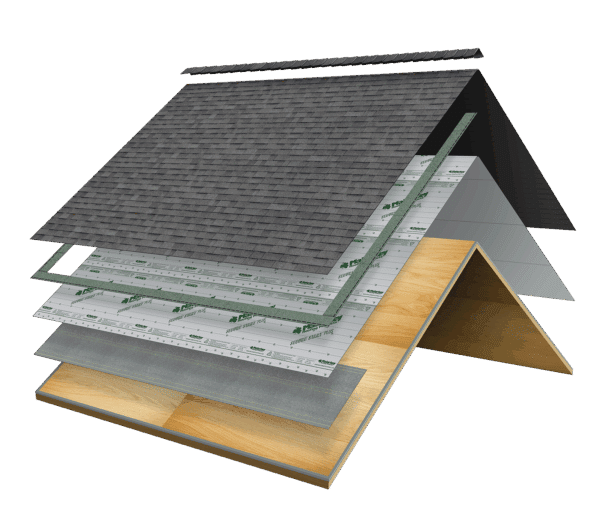
Part of a Complete Roofing System
Ventilation is a key part of your roofing system and works alongside:
If ventilation is not properly designed, it can reduce the effectiveness of every other component.
Installed the Right Way
At Mr. GoodRoof, we do not take a one-size-fits-all approach to ventilation.
We take the time to:
This approach helps maximize the lifespan of your roof and improves overall performance.
Frequently Asked Questions
Get a Roof Inspection from Mr. GoodRoof
If you are considering a roof replacement or suspect your home may not be properly ventilated, turbine vents may be the solution.
Mr. GoodRoof provides detailed inspections and will walk you through the best ventilation options for your home.
Contact us today to schedule your inspection and make sure your roof is built to breathe the right way.

Call for immediate assistance.
⚠️Emergency Repairs? We’re on it.
📅 Same-Day Appointments Available
✅ Free Inspection