Box Vent Replacement

in Nashville TN

Quick Links

Roof Replacement

Roofing System

your ventilation system may not be doing its job

If your attic is overheating or your roof is wearing out faster than it should, your ventilation system may be to blame.

In many Nashville homes, box vents are either installed incorrectly, under-sized for the home, or simply not enough to handle the airflow needed.

At Mr. GoodRoof, we provide box vent replacement services designed to restore proper airflow and protect the lifespan of your roof.

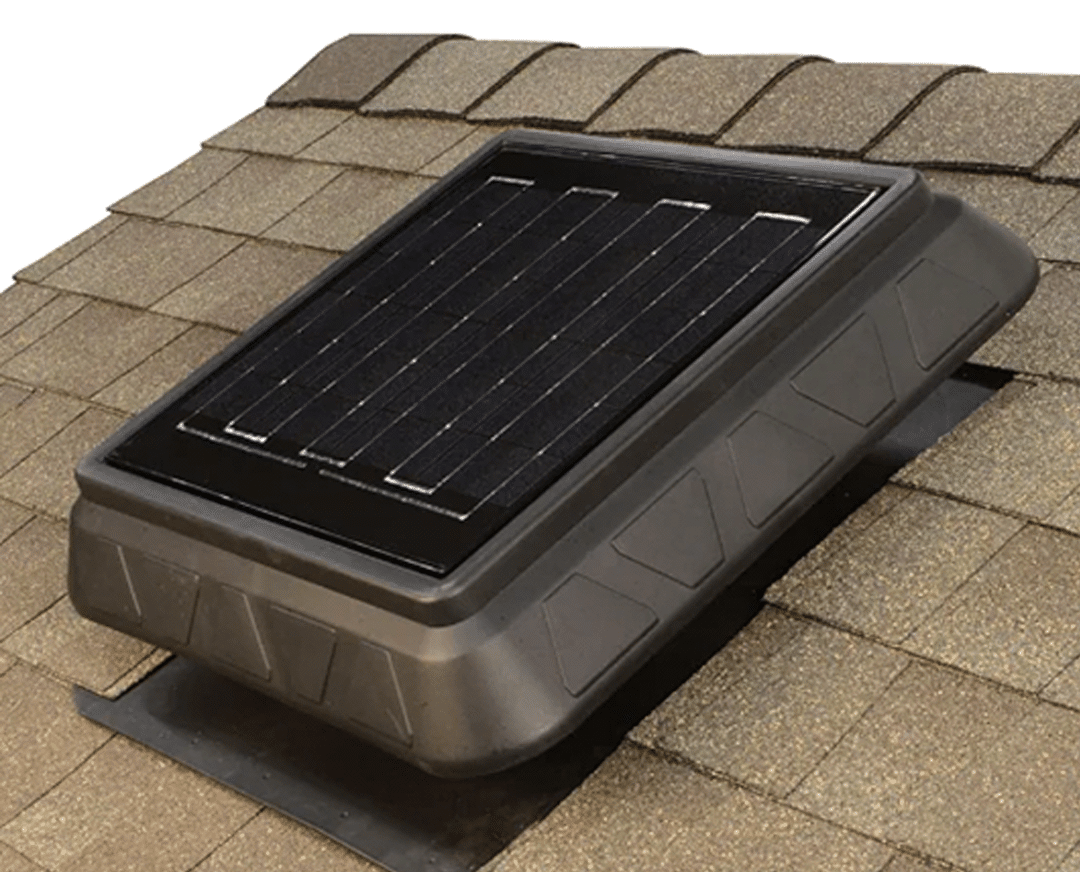
A box vent on a home

What Are Box Vents and Why They Matter

Box vents, also known as static vents, allow hot air to escape from your attic.

They rely on natural convection, meaning as heat rises, it exits through these vents while cooler air enters through the soffits.

When installed correctly and in the right quantity, they are a reliable and effective ventilation solution.
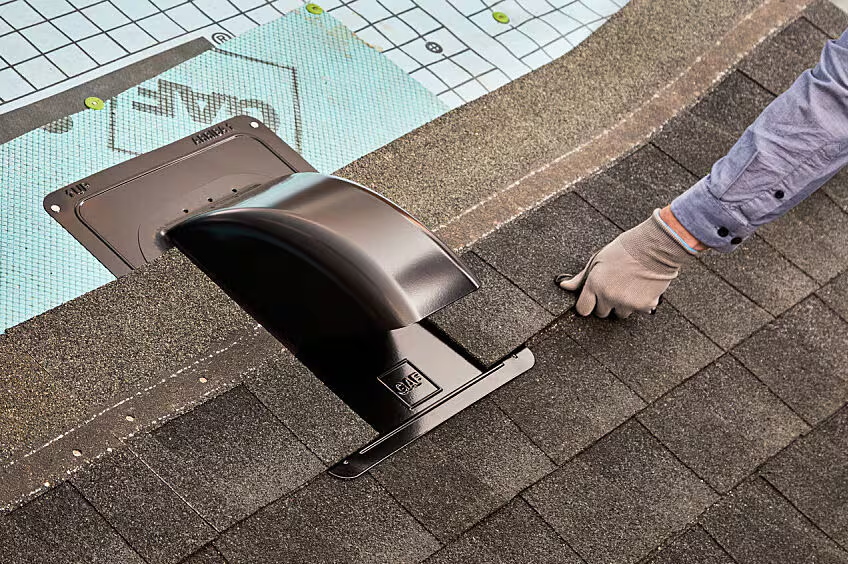
A box vent on a roof

Why Box Vents Fail or Underperform

A box vent on a roof installed by mr goodroof

From what we see across Middle Tennessee, the issue is rarely the vent itself. It is how the system was designed.

Common problems include:

  • Too few vents for the size of the roof
  • Poor placement that limits airflow
  • Blocked or insufficient soffit intake
  • Mixing incompatible ventilation systems

We have seen homes that would need significantly more vents to function properly, but only a handful were installed.

Signs You Need Box Vent Replacement

  • Your attic is extremely hot in the summer
  • Your roof is aging faster than expected
  • You’ve had repeated roofing problems
  • Your home is harder to cool
  • You suspect poor ventilation performance

These are all signs your current system is not keeping up.
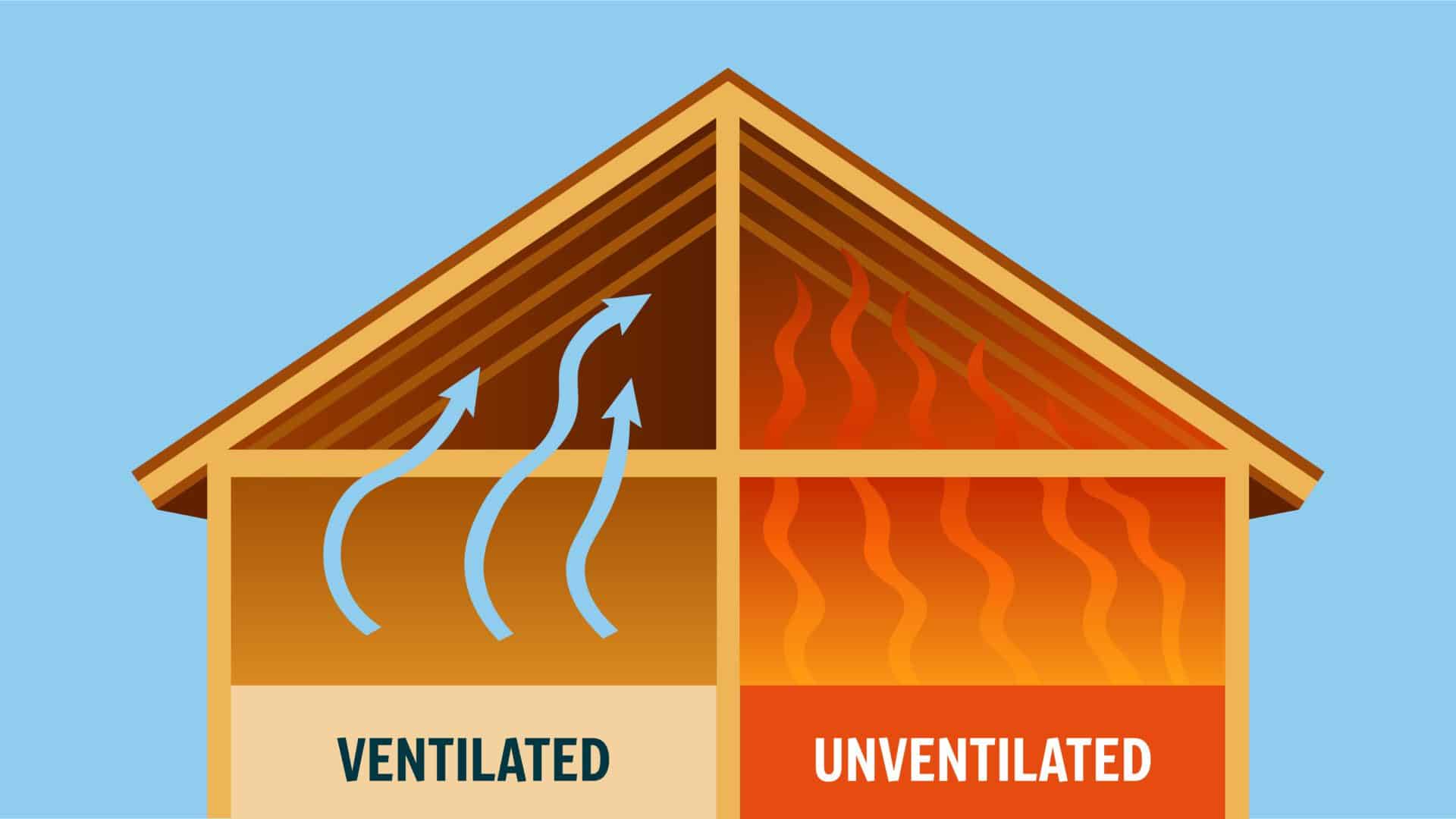
A ventilation diagram for a home
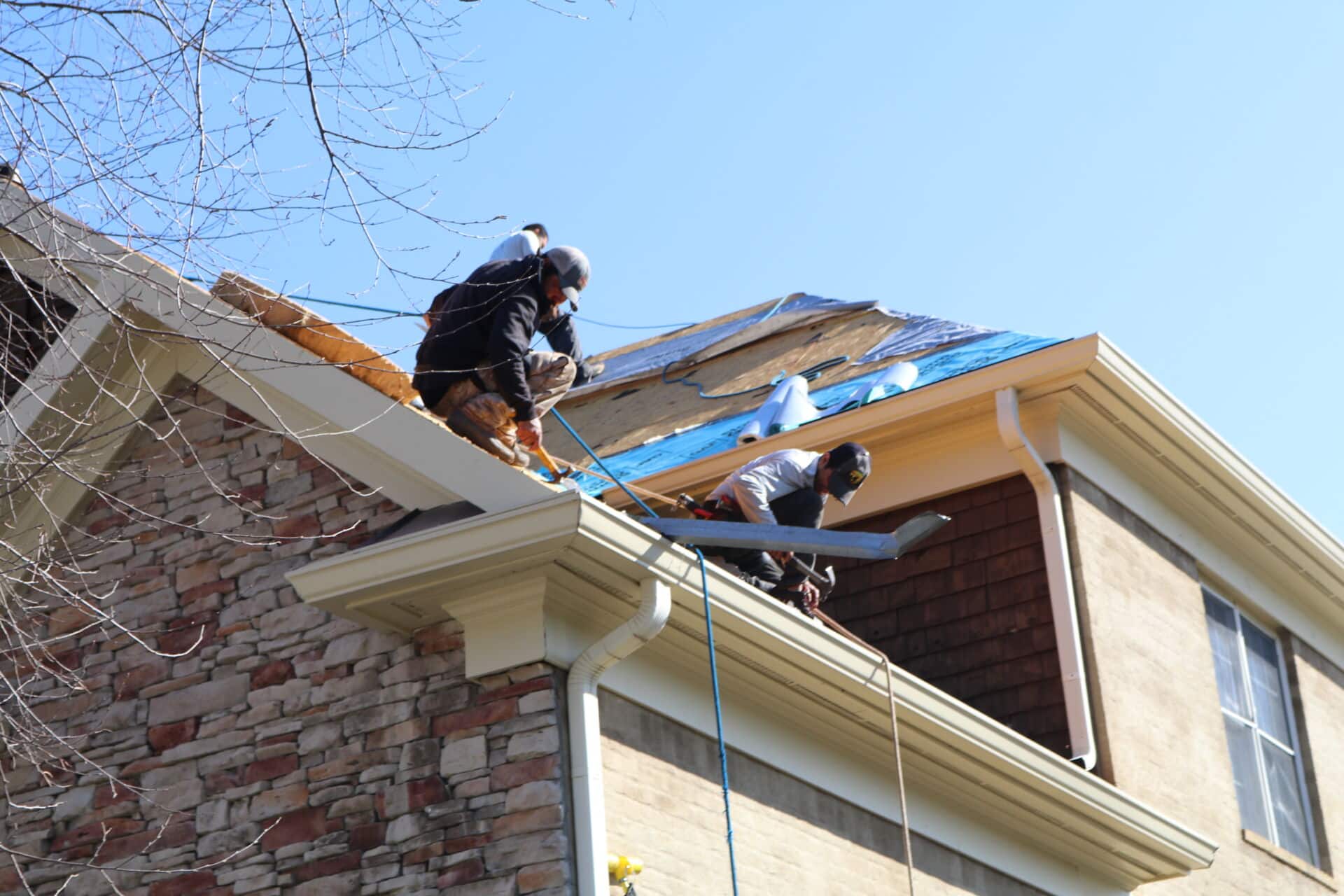
Mr goodroof technicians working on a home

Repair vs Replacement – What Do You Actually Need?

Not every issue requires full replacement.

If the vents are in good condition but underperforming, we may recommend adding additional vents or improving airflow.

If the existing vents are damaged, poorly installed, or part of an ineffective system, replacement is often the better long-term solution.

We will show you exactly what is going on so you can make the right decision.

How We Diagnose Ventilation Issues

We do not just look at the vents themselves.

Our team inspects the entire system, including intake and exhaust, to understand how air is actually moving through your attic.

From our experience, most problems come down to imbalance. Either there is not enough airflow or the system is not designed correctly.

A box vent on a home

Our Box Vent Replacement Process

  • Full inspection of roof and attic ventilation
  • Evaluate current vent placement and quantity
  • Remove underperforming or damaged vents
  • Install properly spaced and sized box vents
  • Ensure balanced intake and exhaust airflow

We design the system based on your home, not based on a standard approach.

Box Vents vs Other Ventilation Options

Box vents are one of several ventilation solutions, and in many cases, they are the right choice.

Unlike ridge vents, which require sufficient ridge length, box vents can be distributed across the roof to provide better airflow on complex designs.

In many Nashville homes, box vents actually outperform ridge vents when installed correctly.
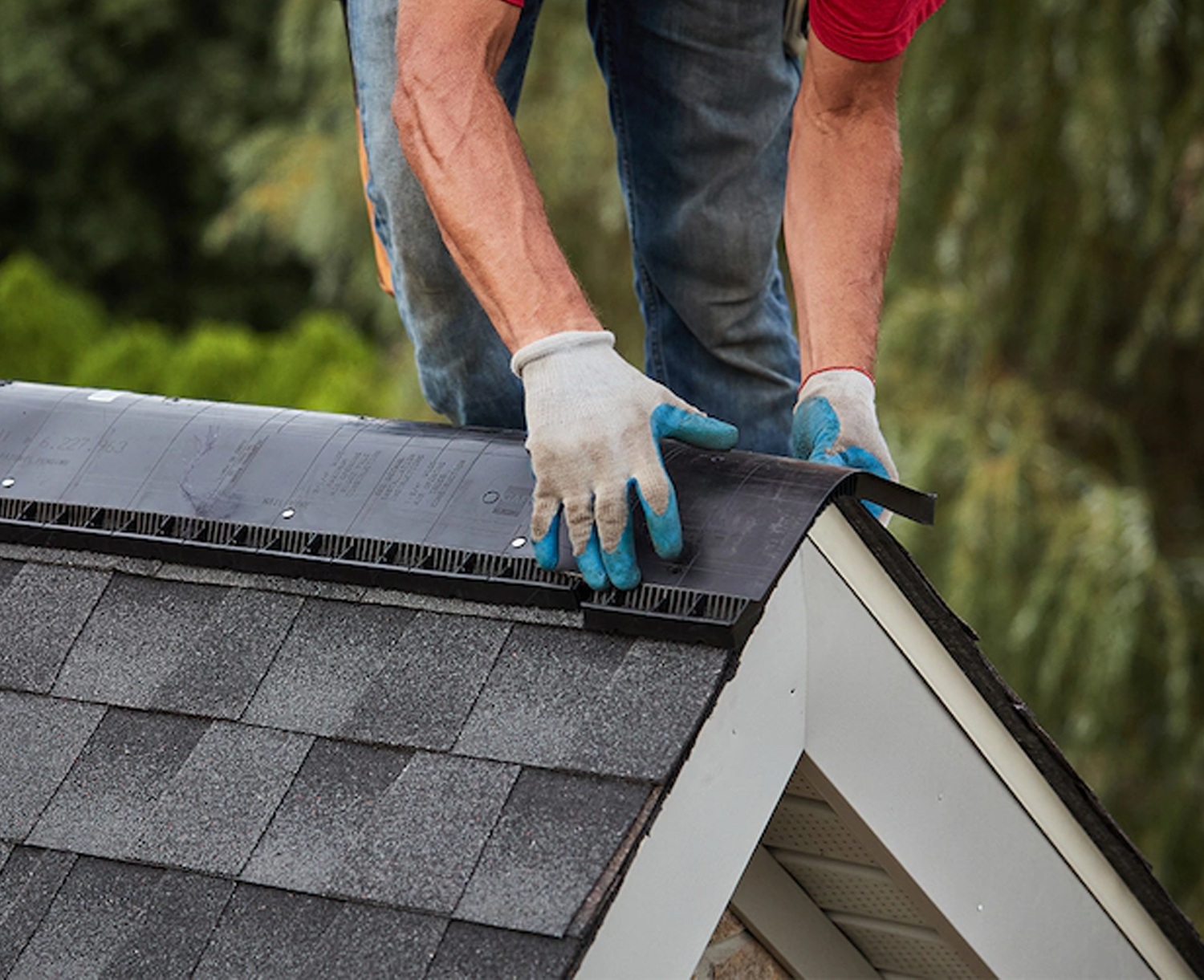
Ventilation being installed on a home

Built for Nashville Weather

Homes in Nashville deal with extreme summer heat and humidity.

If your attic cannot release that heat, it builds up and damages your roofing system from the inside.

Proper ventilation helps your roof handle real-world conditions and reach its full lifespan.

Why Nashville Homeowners Choose Mr. GoodRoof

  • We design ventilation systems instead of guessing<
  • We physically inspect every roof and attic
  • No subcontractors – all in-house crews
  • We focus on long-term performance
  • 20+ years serving Middle Tennessee

We are not just replacing vents. We are solving the problem.

Frequently Asked Questions

**Box vents**, also called **static vents** or **louvers**, are square or rectangular hooded vents installed on the upper portion of a roof to let hot, humid air escape from the attic. They work through **natural convection** — no fans, no electricity, no moving parts. As heat rises inside the attic, it exits through the box vents while cooler outside air is drawn in through soffit vents along the eaves. When the system is sized and balanced correctly, this passive airflow regulates attic temperature and prevents the moisture buildup that shortens roof life.
Most homes need **one square foot of total ventilation per 300 square feet of attic floor space**, split evenly between intake (soffit) and exhaust (box vents). A typical box vent provides about 50–60 square inches of net free area, which translates to roughly **one box vent per 300 square feet** of attic — though that’s a rule of thumb, not a substitute for a proper assessment. We see Nashville homes every week with two or three box vents installed when they actually need six or seven. A free Mr. GoodRoof inspection includes a precise calculation for your specific roof.
Neither is universally “better” — the right choice depends on your roof’s geometry. **Ridge vents** are continuous and excellent for simple gable roofs with long, uninterrupted ridge lines. **Box vents** are more flexible and often outperform ridge vents on **complex roof designs** with multiple peaks, hips, dormers, or short ridge sections — which describes a lot of Nashville’s mid-century and custom homes. Box vents also distribute exhaust across the roof rather than concentrating it at one line, which can be an advantage on irregular layouts. We recommend whichever solution actually fits your roof, not whatever’s easier to install.
Inadequate attic ventilation is one of the most damaging — and most invisible — problems a roof can have. In a Nashville summer, an under-ventilated attic can hit **140°F or higher**, which bakes the underside of your shingles and shortens roof life by years. In winter, trapped moisture from cooking, showers, and breathing condenses on cold roof decking, causing wood rot, mold growth, and ice dam formation. You also pay for it on your energy bill — your AC works harder all summer to overcome a superheated attic. Most premature roof failures we see in Middle Tennessee trace back to ventilation, not the shingles themselves.
This is one of the most common — and most damaging — installation mistakes. When a roof has, for example, **both ridge vents and box vents**, or **both turbines and powered fans**, the higher-suction vent will pull air from the lower one instead of from the soffits. Instead of moving air through the attic, the system **short-circuits**, drawing weather, dust, and even insulation directly across the roof’s surface. The result is no real ventilation, plus accelerated wear on the vents themselves. A balanced system uses **one type of exhaust** paired with adequate soffit intake — never two competing exhaust systems.
Yes — in most cases, box vents can be added or replaced as a **standalone job** without tearing off the roof. Our crew lifts the surrounding shingles, removes the old vent and its flashing, cuts an appropriately sized opening if more vents are needed, installs the new vent with proper flashing and underlayment integration, then re-sets the shingles. The job is usually completed in a single visit. It’s a high-value upgrade because it can extend the life of an otherwise healthy roof by years.
Often yes, though the savings are usually modest and indirect. Properly ventilating your attic can reduce attic temperatures by **20–40°F in peak summer**, which lessens the heat load on your living space and reduces how hard your AC has to work. Most homeowners notice **8–15% reductions in cooling costs** when they go from under-ventilated to properly ventilated. The bigger financial win is what you don’t see: avoiding premature shingle failure, preventing decking rot, and pushing your next roof replacement out by years.
A quality box vent — properly flashed and installed — typically lasts **20 to 30 years**, comparable to the lifespan of a modern asphalt shingle roof. The vent body itself rarely fails; what fails is the flashing seal around it, which is why we replace flashing rather than reusing it on every job. Box vents generally don’t require active maintenance, but they should be **inspected annually** for storm damage, animal intrusion (squirrels and birds love them), and screen integrity. Mr. GoodRoof’s standard roof inspection includes a vent check at no extra cost.

Schedule Your Box Vent Replacement in Nashville

If your roof is not ventilating properly, it will continue to cause problems over time.

Mr. GoodRoof provides detailed inspections and ventilation solutions designed specifically for your home.

Contact Us

Schedule your inspection today, and get a free estimate.

Two men in a white van that is covered in graphics for Mr Good Roof.

Call for immediate assistance.

⚠️Emergency Repairs? We’re on it.
📅 Same-Day Appointments Available
✅ Free Inspection