Insurance Letter Guidance
Roof Insurance Letter or Non-Renewal Notice in Nashville
Do not panic over a roof letter. If your insurance company asks for roof repairs, replacement, proof of condition, or documentation before renewal, Mr. GoodRoof can inspect the roof, document what we find, and explain whether the roof appears repairable or closer to replacement.

Quick Answer
What should you do after receiving a roof insurance letter?
If you receive a roof-related insurance letter, read the deadline, ask your insurance carrier or agent what documentation they need, and schedule a professional roof inspection before assuming you need full replacement. Mr. GoodRoof documents current roof conditions, explains repair vs. replacement options, and provides roofing photos and estimates you can use in your own conversation with your insurer.
Common Letter Types
What kind of roof letters do insurance companies send?
Roof letters are usually about risk, documentation, or renewal requirements. The letter may ask for proof that your roof is in acceptable condition, proof that repairs were completed, or confirmation that an older or damaged roof has been replaced.
Roof repair request
The carrier may identify missing shingles, visible wear, flashing concerns, leaks, or other repair items that need documentation.
Roof replacement request
The letter may state that the roof appears too old, too worn, or too damaged for the insurer’s current underwriting requirements.
Non-renewal notice
A non-renewal notice means the carrier may not renew the policy unless the stated roof condition concern is addressed or documented.
Proof of condition request
Some letters ask for a professional inspection, photos, invoices, roof age records, or proof that repairs or replacement were completed.
Step-by-Step
What should you do before responding?
The safest next step is to gather facts before spending money or assuming the roof must be replaced. Use this sequence before responding to a roof-related insurance notice.
Read the letter and deadline.
Identify whether the carrier is asking for repair, replacement, proof of condition, inspection photos, invoices, or another specific response.
Ask what documentation is required.
Contact your insurance carrier or agent to clarify what they need and whether repairs, inspection documentation, or replacement proof may satisfy the request.
Schedule an on-site roof inspection.
A roofer can check shingles, flashing, pipe boots, valleys, vents, gutters, and visible roof condition instead of relying only on a letter or aerial image.
Get photos and a roofing recommendation.
Mr. GoodRoof provides current roof documentation and explains whether the issue appears repairable, maintenance-related, storm-related, or replacement-level.
Complete needed roofing work.
If repairs or replacement are needed, keep invoices, before-and-after photos, product information, and warranty paperwork for your records.
Submit your documentation.
Send the documentation your carrier requests, or work with your insurance agent on the appropriate response process for your policy.
Repair vs. Replacement
Does an insurance letter mean you need a full roof replacement?
No. A roof insurance letter does not always mean the whole roof must be replaced. Some letters can be resolved with repairs, maintenance, updated photos, proof of prior work, or a professional roof condition report.
Replacement becomes a stronger conversation when the roof is near the end of its service life, has widespread damage, has brittle or unrepairable shingles, has repeated leak issues, or the carrier specifically requires replacement documentation. Mr. GoodRoof’s repair-first position still applies: replace only when needed.

Documentation Checklist
What documentation should you collect?
Current documentation helps your insurance carrier or agent understand what is happening with the roof today. Keep the documentation organized so you can respond clearly and quickly.
Roof condition proof
- Current inspection photos
- Visible repair concerns
- Roof age information
- Shingle, flashing, vent, valley, and pipe boot notes
Repair or replacement records
- Completed work invoices
- Before-and-after photos
- Product and warranty information
- Permits or contractor records, when applicable
Insurance letter details
- Letter date and response deadline
- Specific items the carrier identified
- Requested proof or documentation
- Carrier or agent contact information
Aerial Images & Roof Scans
What if the letter is based on an aerial image or roof scan?
Aerial imagery and AI-assisted roof tools may influence roof-related insurance decisions, but they cannot replace a current, on-site roof inspection. Aerial images can miss flashing performance, pipe boot condition, valley issues, attic ventilation concerns, and recent repairs or replacement work.
If your letter references roof condition but does not include clear current photos, ask your carrier what image or inspection was used and what documentation they will accept. Then get your roof inspected and documented from the roof surface.
How Mr. GoodRoof Helps
How does Mr. GoodRoof document a roof letter issue?
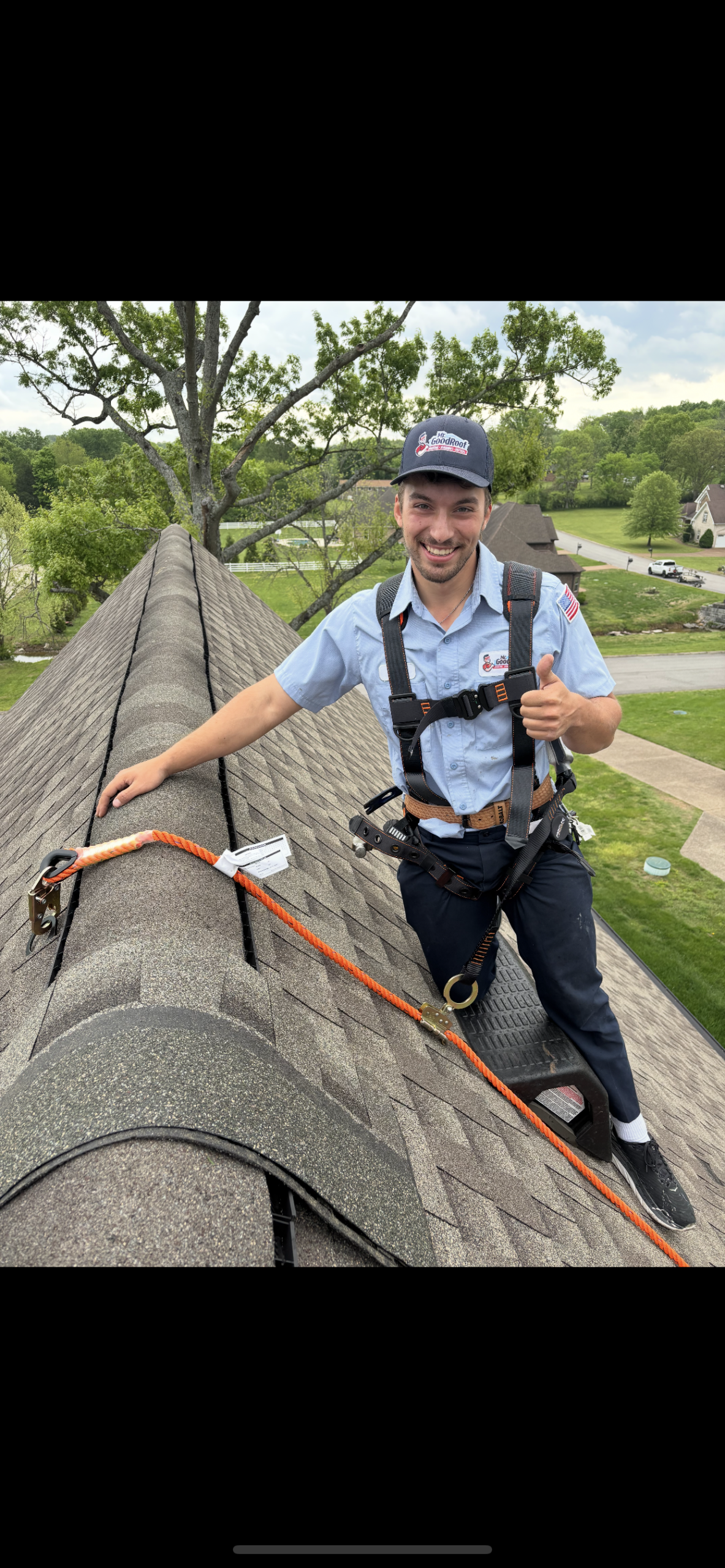
Mr. GoodRoof starts with the roof, not the claim. Our team inspects visible roof components, documents current conditions, and explains whether the roof appears repairable, maintenance-related, storm-related, or replacement-level.
| Homeowner concern | What Mr. GoodRoof can provide | Why it helps |
|---|---|---|
| Carrier says roof is too old | Current photos, visible condition notes, and repair-or-replacement recommendation | Gives you a current roofing record instead of guessing from age alone. |
| Carrier requests repair proof | Inspection findings, repair estimate, completed work photos, and invoices | Helps you show what was repaired and when the work was completed. |
| Carrier requests replacement | Replacement estimate, roofing scope, product information, and warranty details | Helps you understand the actual roofing work needed and cost range. |
| Letter is based on visible roof condition | On-site documentation of shingles, flashing, vents, valleys, pipe boots, gutters, and related concerns | Creates a more complete record than a surface-only view. |
Coverage Terms
Should you review ACV vs. RCV coverage after a roof letter?
Yes. If the letter leads to repair or replacement conversations, homeowners should understand whether their roof is covered at Actual Cash Value or Replacement Cost Value. ACV can apply depreciation, while RCV generally focuses on current replacement cost subject to policy terms, deductible, and eligibility.
Related Resources
Helpful roofing and insurance resources
Insurance Guidance
Roof Condition
Urgent Help
FAQs
Roof insurance letter FAQs
Does an insurance letter mean my roof is uninsurable?
No. A roof insurance letter does not automatically mean your roof is uninsurable. It usually means the carrier wants a response, documentation, repairs, replacement, or proof that the roof condition concern has been addressed.
Should I replace my roof immediately after receiving a letter?
Not always. Get the roof inspected first. Some issues can be handled with targeted repairs, maintenance, or proof of current condition. Replacement may be needed if the roof is near the end of its service life or has widespread damage.
What happens if I ignore a roof-related insurance letter?
Ignoring the letter can put your policy renewal or coverage options at risk. Read the deadline, ask your carrier what documentation they require, and schedule a roof inspection quickly so you have time to respond.
Can Mr. GoodRoof send documentation to my insurance company?
Mr. GoodRoof can provide photos, roofing estimates, invoices, and scope details that you can share with your insurance carrier. We do not represent or negotiate on your behalf, act as a public adjuster, or interpret policy coverage.
What if the letter is based on an aerial image?
Ask your carrier what image or inspection was used and what documentation they will accept. Then schedule an on-site roof inspection. Aerial imagery can be useful, but it may not show the full condition of flashing, pipe boots, valleys, vents, gutters, or recent repair work.
Can repairs satisfy a roof non-renewal notice?
Sometimes. It depends on the carrier’s requirements, the condition of the roof, and what the letter specifically asks for. A professional roof inspection can help you understand whether the roof appears repairable or may need replacement.
Should I review my insurance policy after receiving a roof letter?
Yes. Review your deductible, roof coverage type, ACV or RCV terms, and any roof-specific endorsements. For policy interpretation, speak with your insurance carrier, insurance agent, licensed public adjuster, or attorney.
Sources & Homeowner Guidance
Where this guidance comes from
Tennessee disaster guidance recommends documenting damage with photos or video, keeping records, avoiding pressure tactics, and verifying contractor licensing. Tennessee law also separates roofing contractor work from public adjuster activity. Review official sources from the Tennessee Department of Commerce & Insurance and Tennessee Code § 62-6-605.
Important Note
Roofing contractor disclaimer
Mr. GoodRoof is a roofing contractor, not your insurance company, public adjuster, or legal representative. Under Tennessee law, a residential roofing services provider may not act or hold itself out as a public adjuster unless properly licensed as one. We inspect roof conditions, document visible damage, provide roofing estimates, and explain repair or replacement scope. We do not represent or negotiate on a homeowner’s behalf with an insurance carrier, estimate claim value, interpret policy coverage, or adjust claims. Your insurance carrier determines coverage based on your policy. For policy interpretation, claim disputes, or legal advice, speak with your insurance carrier, a licensed public adjuster, or an attorney.
Do Not Wait on a Roof Letter
Get the roof inspected, documented, and explained.
If your insurance company sent a roof repair, replacement, or non-renewal letter, start with clear roofing facts. Mr. GoodRoof can inspect the roof, document current conditions, and help you understand whether repair or replacement appears to be the right next step.