Existing-Roof Ventilation
Can Roof Ventilation Be Fixed Without Replacing the Roof?
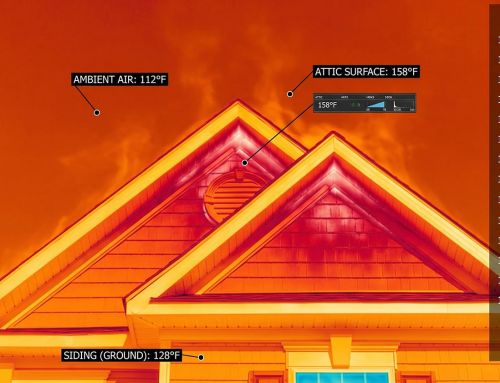
Yes, roof and attic ventilation can often be improved without replacing the whole roof. The right answer depends on the roof's condition, the attic's intake and exhaust balance, and whether new or corrected vents can be installed and flashed safely.
Mr. GoodRoof starts with a free, no-pressure assessment. We check the roof, attic airflow path, soffit intake, existing vents, and visible roof condition before recommending a targeted ventilation fix or a larger roofing plan.

Quick Answer
Can roof ventilation be fixed without replacing the roof?
Yes. If the existing roof is still serviceable, many ventilation issues can be improved through targeted work such as opening blocked soffit intake, adding or correcting exhaust vents, replacing damaged vents, or rebalancing intake and exhaust. If the roof is brittle, leaking, near the end of its life, or has damaged decking, it may be smarter to address ventilation during a roof repair or full roof replacement.
The Real Answer
Why does the answer depend on the roof?
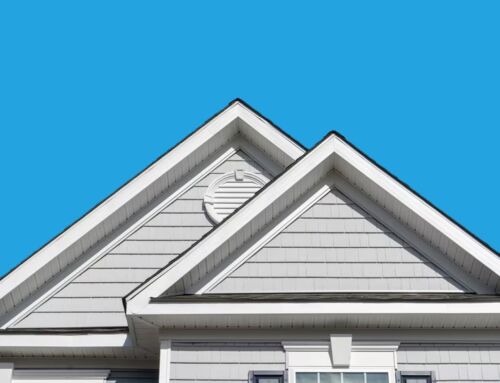
Ventilation is not just about adding more vents. A good solution has to work with the existing shingles, roof deck, soffit intake, attic layout, and roof design.
The roof has to be serviceable
If the shingles and decking are still in good condition around the work area, targeted vent installation or vent correction may be practical.
The attic needs intake and exhaust
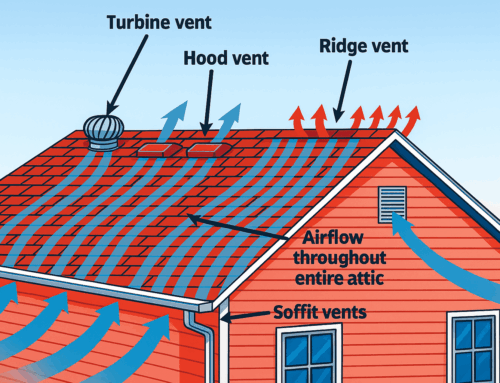
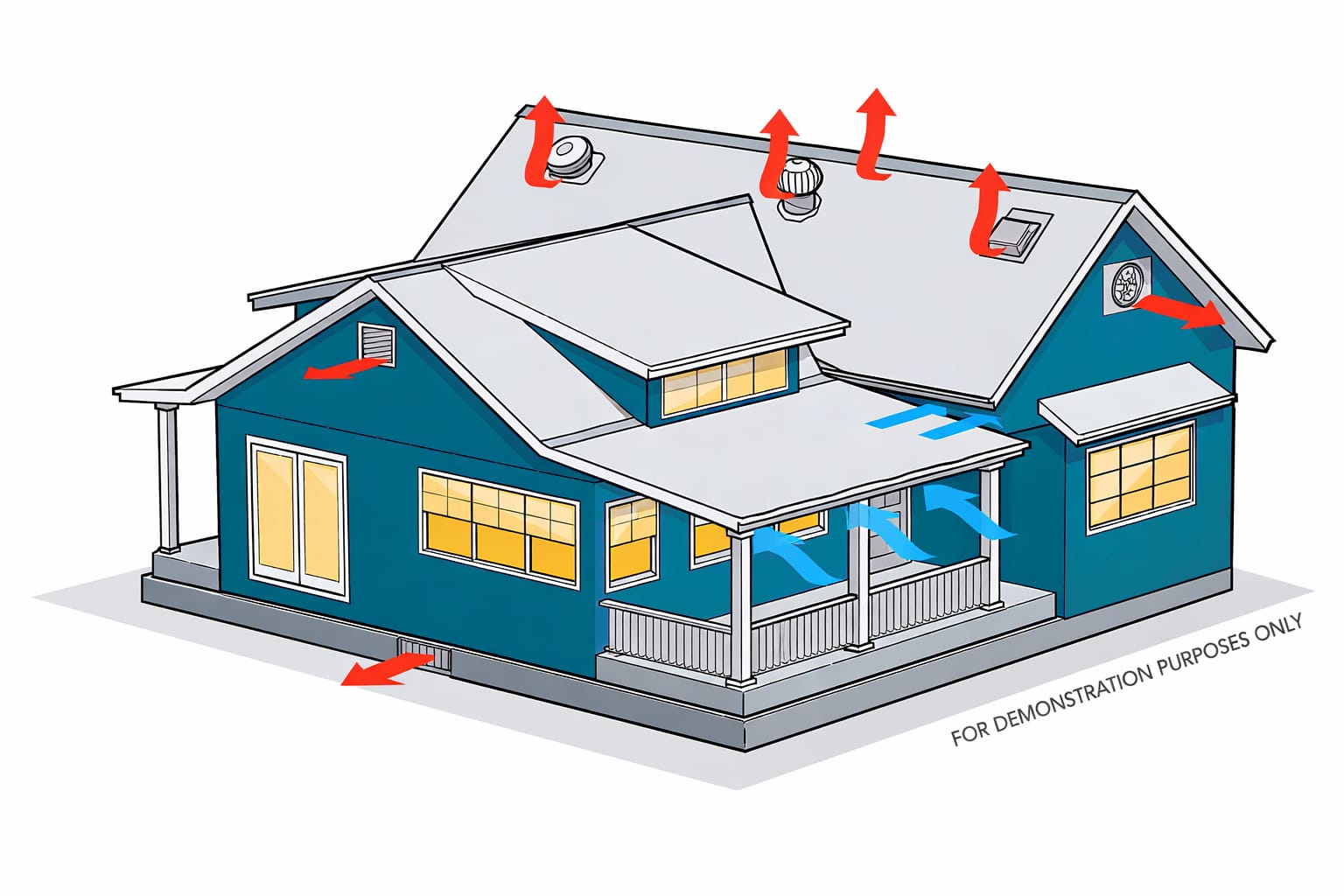
Exhaust vents cannot do their job without enough intake air entering from the soffits or lower attic area.
The vent type has to match the home
Ridge vents, turbines, box vents, and other options all depend on roofline, attic size, intake availability, and existing ventilation.
Existing Roof Fixes
What ventilation problems can often be fixed on an existing roof?
Many ventilation improvements do not require tearing off the entire roof. The key is choosing a fix that improves airflow without creating new leak points, short-circuiting the ventilation system, or disturbing a roof that is already failing.
Opening the intake side of the system may be the first step if air cannot enter the attic from below.
Some homes need properly sized exhaust vents, such as turbines or box vents, when the roof design supports them.
Cracked, rusted, poorly flashed, or leaking vents may be replaced without a full roof replacement if the surrounding roof is sound.
Combining incompatible exhaust types can short-circuit airflow. The fix may involve simplifying or rebalancing the system.

Good Candidate
When does fixing ventilation without roof replacement make sense?
Targeted ventilation work usually makes the most sense when the roof still has useful life left and the airflow problem can be corrected without disturbing a large area of old or fragile shingles.

Replacement Timing
When is roof replacement the better time to fix ventilation?
Sometimes the smarter long-term move is to correct ventilation during a roof replacement. That is especially true when the roof is already near the end of its life or the ventilation work would require disturbing fragile shingles.
Cutting new vents into an aging roof can be risky when shingles are already cracking, curling, or losing granules.
If roof deck damage, chronic leaks, or storm damage are present, ventilation may need to be part of a larger roof plan.
Major changes to ridge, intake, exhaust, or mixed ventilation are often easier and cleaner during a roof replacement.
If new shingles are coming soon, the best time to correct intake and exhaust is before the new system is installed.

Compare Your Options
Targeted ventilation fix vs. ventilation during roof replacement
Both approaches can be right. The best choice depends on roof condition, attic needs, budget, timing, and how much roof work is required to correct the airflow problem.
| Option | Usually Fits When | What It May Include | Best Next Step |
|---|---|---|---|
| Targeted ventilation fix | The roof is still serviceable and the airflow issue is specific. | Vent replacement, added exhaust, intake review, soffit-related corrections, or vent system rebalancing. | Schedule a free ventilation assessment. |
| Ventilation during roof repair | A small roof issue and ventilation issue overlap. | Repairing a damaged vent, correcting flashing, replacing a leaking penetration, or addressing a localized deck concern. | Inspect the repair area and airflow path together. |
| Ventilation during roof replacement | The roof is aging, brittle, leaking, storm-damaged, or already planned for replacement. | Full ventilation calculation, proper intake/exhaust planning, vent layout correction, and new roof system installation. | Plan ventilation before shingles are installed. |
Existing-Roof Options
What existing-roof ventilation fixes might Mr. GoodRoof recommend?
The recommendation should come after the inspection, not before it. Depending on the home, the fix may be simple, moderate, or better timed with a future roof replacement.
Improve soffit intake
Intake problems can keep exhaust vents from working. We check whether soffit airflow appears blocked, limited, or missing.
Add or correct exhaust
Some homes need additional exhaust or a different vent style, such as turbine vents or box vents, based on attic size and roof design.
Replace failing vents
Damaged, leaking, rusted, cracked, or poorly flashed vents may be replaced if the surrounding roof can support the work.
Simplify mixed systems
Mixed exhaust systems can work against each other. We look for short-circuiting between ridge vents, turbines, box vents, and gable vents.
Document attic concerns
When safe access allows, we look for moisture clues, heat buildup, insulation interference, and visible airflow restrictions.
Plan for replacement timing
If the roof is near the end of its life, we can explain why ventilation may be better corrected with the future roof system.
Review vent placement
Vent location matters. Poor placement can leave dead zones, pull from the wrong source, or fail to move air across the attic.
Calculate NFA needs
Net Free Area helps determine how much intake and exhaust the attic needs instead of guessing based on vent count alone.
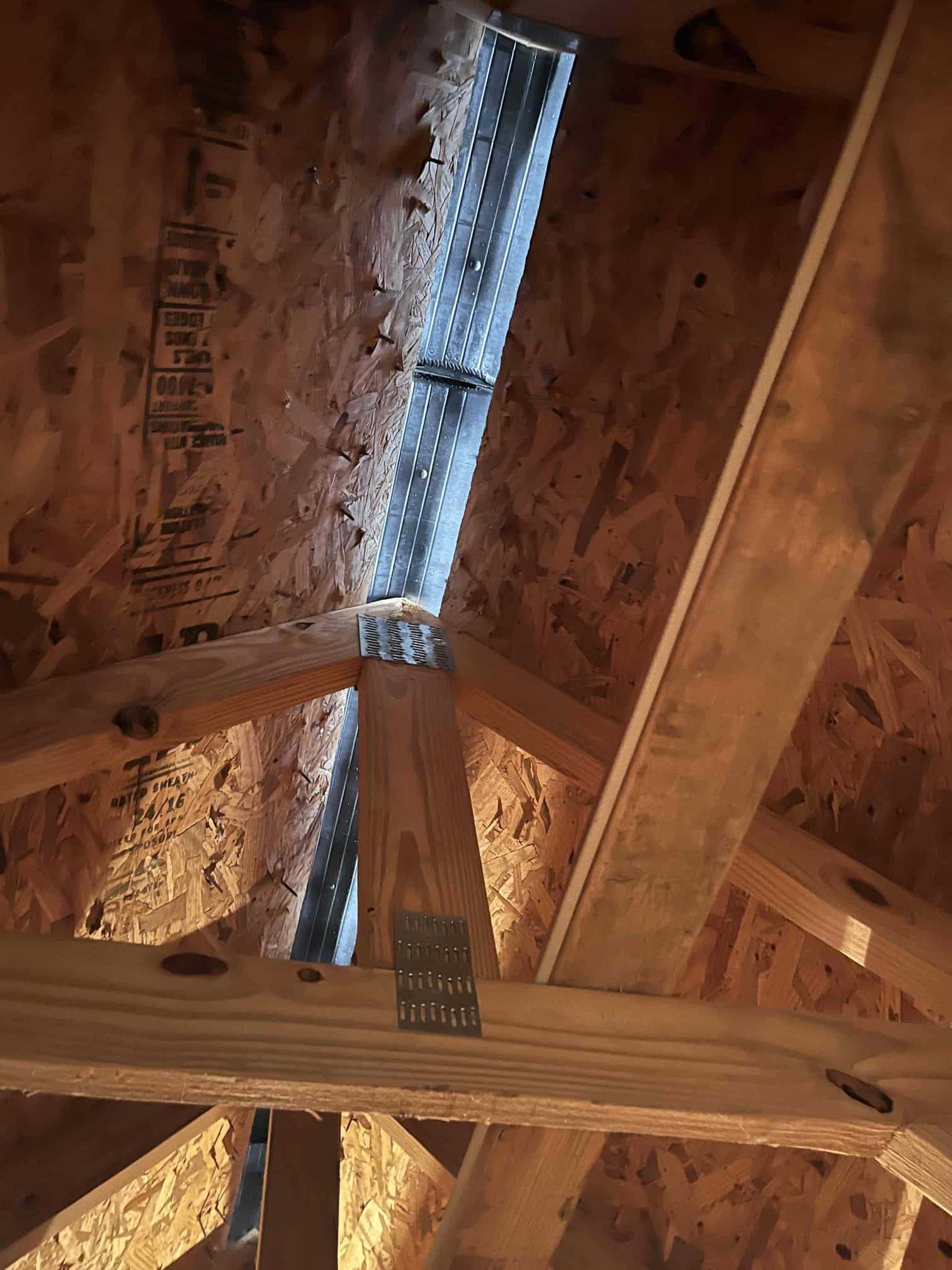
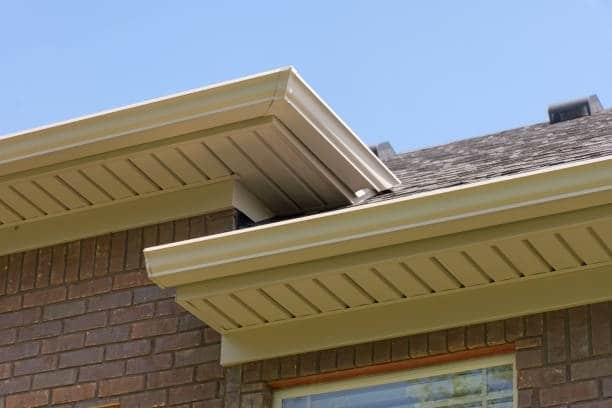
Ventilation Examples
Examples of ventilation solutions for existing and replacement roofs
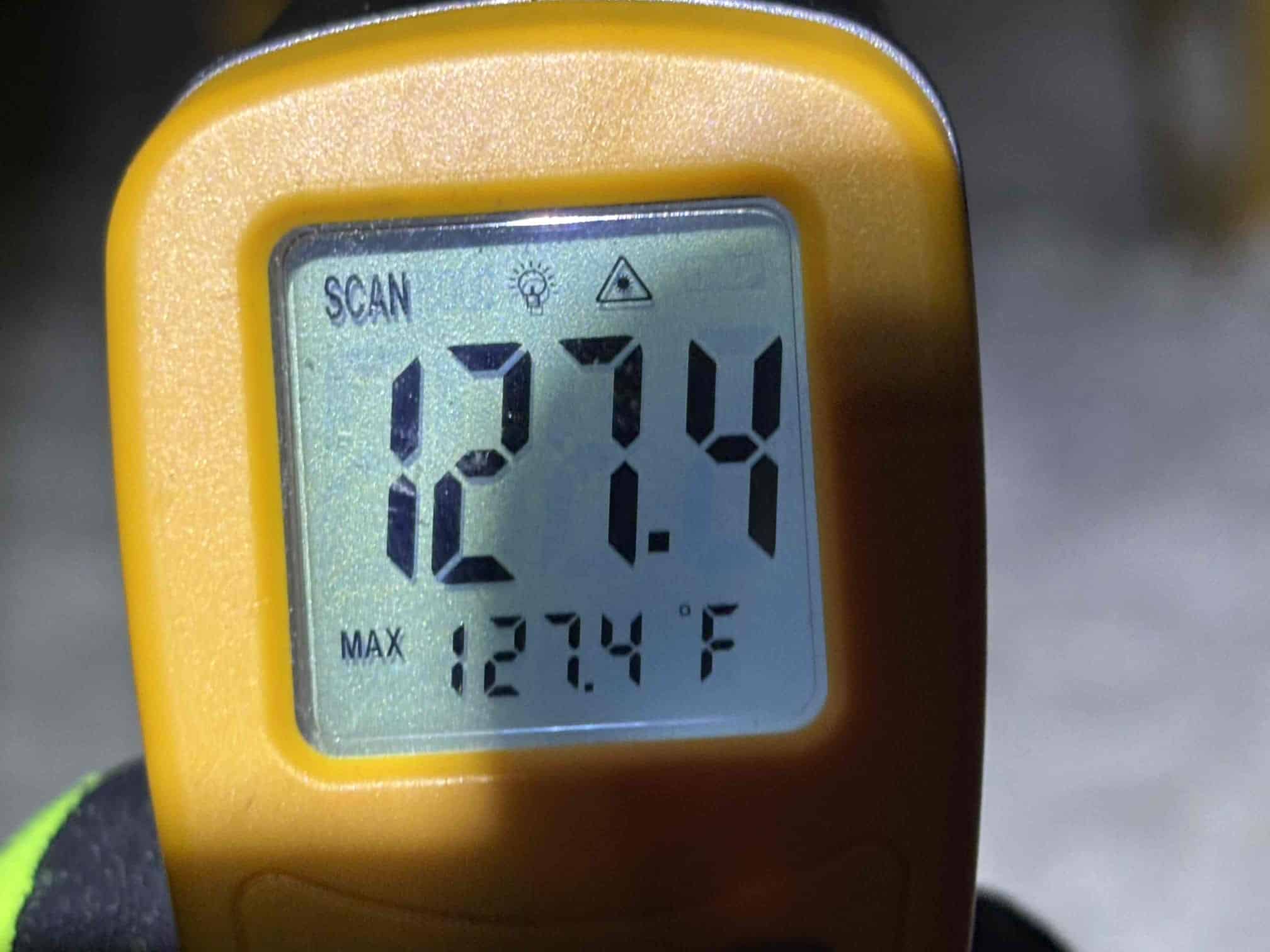
Different homes need different ventilation solutions. The right option depends on roofline, attic square footage, intake airflow, and current roof condition.

Assessment Process
How does Mr. GoodRoof decide whether ventilation can be fixed now?
We inspect first, then recommend. That keeps the answer focused on your home instead of a one-size-fits-all vent product.
Listen to the symptoms
We start with what you are noticing: hot upstairs rooms, musty attic air, early shingle wear, moisture, or roof concerns.
Check the existing roof
We review shingles, vents, flashing, roof penetrations, roofline design, and visible roof condition.
Evaluate intake and exhaust
We look at whether air can enter, where it can exit, and whether the system appears balanced or short-circuited.
Explain the right next step
You get a practical recommendation: no work, targeted ventilation fix, roof repair, or ventilation planning during replacement.
Review Themes
What do homeowners value about a no-pressure inspection?
Recent review themes support the same promise on this page: clear explanations, practical options, and honest recommendations before a homeowner decides whether to repair, ventilate, or replace.
Homeowners often mention technicians explaining what they found with photos, videos, or simple language.
Review themes include homeowners being told when a repair or smaller fix made more sense than a full replacement.
Customer feedback has included soffit, attic ventilation, attic vent fan, and roof system concerns.
Customers frequently describe the team as professional, informative, transparent, and helpful rather than pushy.
These are review themes rather than direct Google review quotes. Direct quotes should only be used after permission is confirmed.
Schedule Your Free Assessment
Find out whether ventilation can be fixed without replacing your roof.
A hot upstairs, musty attic, or aging roof does not automatically mean you need a new roof. Start with a free ventilation assessment so the Good Guys can inspect the existing roof, document the airflow concerns, and explain the practical next step.
Free assessment
No charge and no obligation. We inspect first, then explain what we see.
Existing-roof options
If targeted ventilation work makes sense, we will explain the available options clearly.
Replacement clarity
If replacement is the better time to fix ventilation, we will explain why before you spend money.
Schedule Your Inspection Today
Helpful Resources
Learn more about roof and attic ventilation.
FAQs
Fixing roof ventilation without roof replacement FAQs
Can roof ventilation be fixed without replacing the roof?
Often, yes. If the roof is still in good condition, ventilation may be improved through targeted intake or exhaust work, vent replacement, or ventilation rebalancing. If the roof is brittle, leaking, or near the end of its life, replacement may be the better time to correct the system.
Can roof vents be added to an existing roof?
Roof vents can often be added to an existing roof, but the roof has to be inspected first. The surrounding shingles, decking, flashing area, roof design, and intake airflow all affect whether adding a vent is the right move.
Is adding more roof vents always the answer?
No. More vents are not always better. The attic needs balanced intake and exhaust. Adding exhaust without enough intake can leave the system underperforming or create new airflow problems.
Can blocked soffit vents be part of the problem?
Yes. Blocked or inadequate soffit intake is a common reason exhaust vents do not perform well. The system needs air coming in before hot, moist air can exit effectively.
Should I wait until roof replacement to fix ventilation?
It depends on roof condition. If the roof is older, brittle, or close to replacement, it may be smarter to plan ventilation with the new roof. If the roof still has useful life, a targeted ventilation fix may make sense sooner.
Will ventilation work stop my upstairs from being hot?
Ventilation may help if attic heat is part of the problem, but a hot upstairs can also involve insulation, HVAC, ductwork, air sealing, sun exposure, or room layout. Mr. GoodRoof evaluates the roof and attic ventilation side so you know whether airflow appears to be a factor.
What is Net Free Area?
Net Free Area, or NFA, is the open area in a vent that allows air to move through. Ventilation products have NFA ratings, which help determine how much intake and exhaust a specific attic needs.
Is ridge vent always the best option?
No. Ridge vent works best on certain roof designs with enough ridge length and intake airflow. Homes with short ridges, complex rooflines, or limited soffit intake may need a different solution.
Source Notes
Why existing-roof ventilation should be measured, not guessed.
- ENERGY STAR explains that natural airflow in a well-vented attic helps move super-heated air out of the attic, protect roof shingles, and remove moisture.
- GAF describes balanced attic ventilation as intake at or near the soffit and exhaust at or near the ridge, with ventilation calculated by Net Free Ventilation Area.
- Lomanco explains that many residential attic ventilation recommendations use the 1/300 rule, with half of the required ventilation in the upper exhaust area and half in the lower intake area.
Before replacing the roof, find out whether ventilation can be fixed first.
A ventilation problem does not automatically mean a full roof replacement. Let Mr. GoodRoof inspect the roof, attic airflow, soffit intake, and existing vents so you can make the right next-step decision.