Emergency Roof Tarping
Emergency Roof Tarping in Nashville
Emergency roof tarping helps protect a damaged roof from additional water intrusion until a repair or replacement decision can be made. Mr. GoodRoof provides temporary roof protection and documentation for Nashville homeowners after wind, hail, tree, or leak-related roof damage.

Quick Answer
When do I need emergency roof tarping?
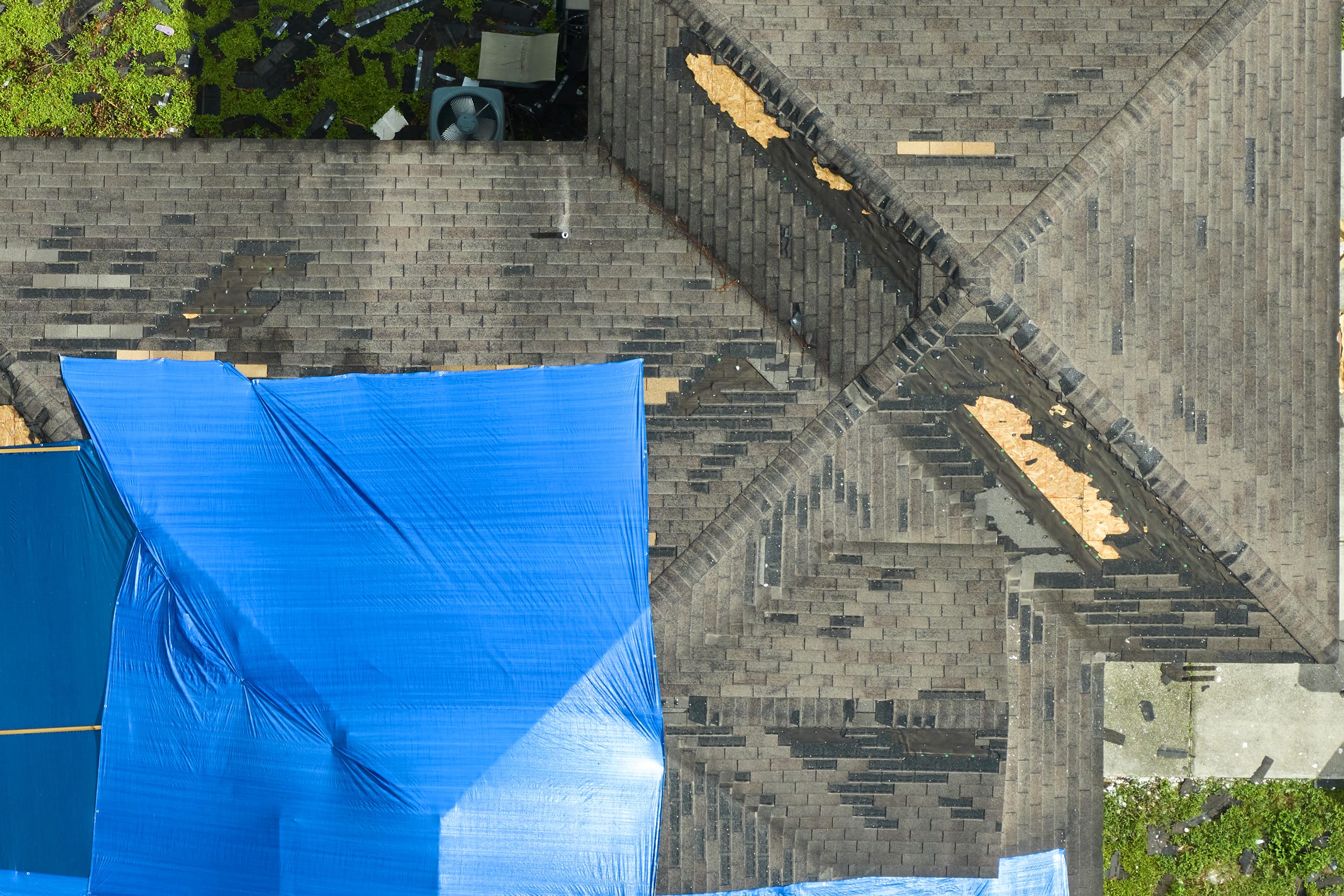
Emergency roof tarping may be needed when storm damage, missing shingles, a tree limb, exposed decking, or an active leak leaves the roof vulnerable to more water damage. A tarp is a temporary protection measure while the roof is inspected, documented, and scheduled for proper repair or replacement.
Signs to Watch
What does emergency roof tarping do?
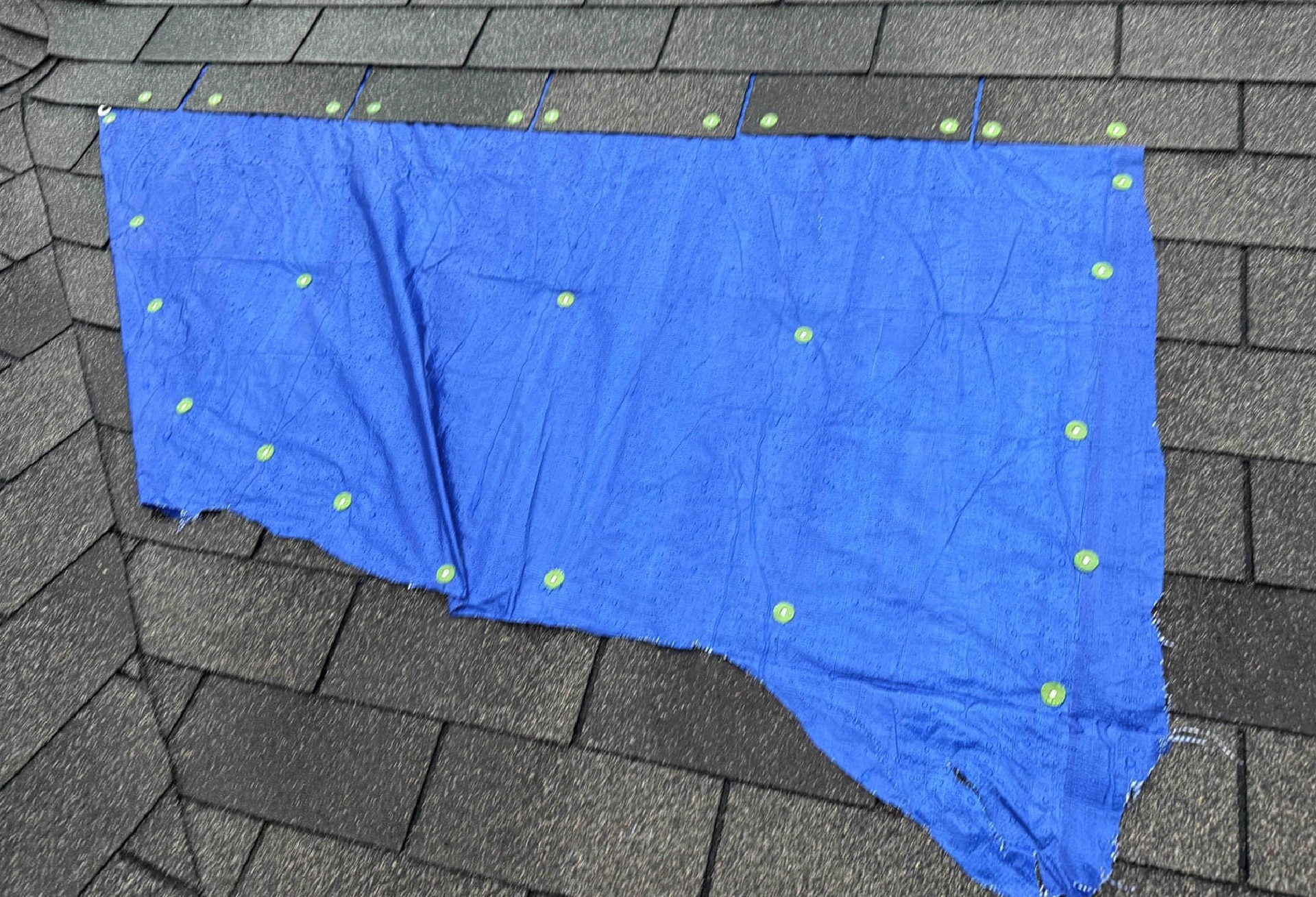
Emergency tarping covers a damaged or exposed area of the roof to help reduce additional water intrusion. It can protect the home temporarily, but it does not fix the roof and should not be treated as a long-term repair.
- Helps cover exposed decking, underlayment, or roof openings
- Can reduce additional water intrusion while repairs are planned
- Creates a temporary record of mitigation after a storm
- Gives homeowners time to document damage and make next-step decisions
- Does not replace proper roof repair or replacement
- May need re-checking after high wind or heavy rain
First Steps
What should I do before emergency tarping?
- Stay out of unsafe rooms if water, ceiling sagging, or electrical concerns are present.
- Do not climb on a wet, storm-damaged, or debris-covered roof.
- Take photos of interior leaks, visible exterior damage, fallen branches, and damaged property from safe areas.
- Call a roofing professional to determine whether tarping is safe and needed.
- Save receipts and keep records of temporary repairs and damage documentation.
Repair, Tarp, or Replace
How do you know what the roof needs next?
Storm damage should be inspected before homeowners assume the answer is a full roof replacement or a small repair. A documented inspection helps separate urgent temporary protection, targeted repair, replacement-level concerns, and insurance-related documentation.
Temporary protection
A tarp can help protect the home from additional water intrusion while the repair or replacement plan is being prepared.
Documentation support
Photos of the damaged area before and after temporary protection can help homeowners keep a clear record of what happened.
Repair comes next
After the tarp is in place, the roof still needs an inspection and a repair or replacement plan. A tarp should not be left as a permanent solution.
At-a-Glance Guide
What storm signs should homeowners take seriously?
The safest approach is to document visible damage from the ground, avoid roof climbing, and schedule an inspection when roof components may be exposed or leaking.
Temporary covering may help limit additional interior water damage
Next stepCall for emergency inspection and tarping if safe
A puncture or open roof area can let rain enter quickly
Next stepDo not remove large limbs yourself; request professional help
Exposed underlayment or decking can worsen quickly
Next stepGet the area inspected and protected
Temporary protection may be needed before a full repair can be scheduled
Next stepDocument damage and request emergency response
| Situation | Why tarping may help | Next step |
|---|---|---|
| Active roof leak | Temporary covering may help limit additional interior water damage | Call for emergency inspection and tarping if safe |
| Tree limb puncture | A puncture or open roof area can let rain enter quickly | Do not remove large limbs yourself; request professional help |
| Missing shingles before rain | Exposed underlayment or decking can worsen quickly | Get the area inspected and protected |
| Storm damage after hours | Temporary protection may be needed before a full repair can be scheduled | Document damage and request emergency response |
Our Process
How does Mr. GoodRoof handle emergency tarping?
Mr. GoodRoof’s storm inspection process is designed to give homeowners clear, current roofing facts without pressure or claim promises.
We assess whether tarping is safe based on roof pitch, weather, damage, and access.
We document the visible damage before temporary protection when conditions allow.
We cover the affected area when tarping is safe and appropriate.
We help identify the next repair or replacement step after the roof is inspected.
Related Storm & Insurance Resources
Helpful next reads after storm damage
These related pages help homeowners move from urgent storm response to documented repair, replacement, or insurance-readiness decisions.
Storm Damage
Insurance Guidance
Core Roofing Services
FAQs
Storm damage questions Nashville homeowners ask
Is roof tarping a permanent repair?
No. Roof tarping is temporary protection. The damaged roof area still needs proper inspection, repair, or replacement.
Should I tarp my own roof?
Most homeowners should not tarp their own roof after a storm. Wet surfaces, steep slopes, debris, and unstable damage can make the roof unsafe.
Will insurance pay for emergency tarping?
That depends on your policy and your carrier’s determination. Tennessee guidance recommends saving receipts for temporary repairs, but your carrier determines coverage.
How long can a tarp stay on a roof?
A tarp should stay only as long as needed to protect the home until proper repair or replacement is scheduled. Weather can loosen or damage tarps over time.
What should I do if water is entering now?
Move valuables away from the leak, avoid unsafe electrical areas, photograph the damage from safe spots, and call for urgent roofing help.
Source notes for homeowners
The National Weather Service defines a severe thunderstorm as one capable of producing hail that is one inch or larger or wind gusts over 58 mph. Tennessee Department of Commerce & Insurance disaster guidance says homeowners should document damage with photos or video, make repairs needed to prevent further damage, avoid permanent repairs until the insurer has inspected the property and cost has been agreed upon, and save receipts for temporary repairs. Tennessee Code § 62-6-605 also keeps roofing contractors separate from licensed public adjusters.
Sources: National Weather Service Severe Thunderstorm Safety, Tennessee Department of Commerce & Insurance Disaster Guidance, and Tennessee Code § 62-6-605.
Important insurance claim note
Mr. GoodRoof is a roofing contractor, not your insurance company, public adjuster, or legal representative. Under Tennessee law, a residential roofing services provider may not act or hold itself out as a public adjuster unless properly licensed as one. We inspect roof conditions, document visible damage, provide roofing estimates, and explain repair or replacement scope. We do not represent or negotiate on a homeowner’s behalf with an insurance carrier, estimate claim value, interpret policy coverage, or adjust claims. Your insurance carrier determines coverage based on your policy. For policy interpretation, claim disputes, or legal advice, speak with your insurance carrier, a licensed public adjuster, or an attorney.
Storm damage is easier to understand when the roof is documented.
Mr. GoodRoof helps Nashville and Middle Tennessee homeowners inspect storm damage, document visible roof concerns, and understand whether repair, tarping, replacement, or another roofing next step makes sense.