Hail Damage Roof Inspection
Hail Damage Roof Inspection in Nashville
Hail damage is not always obvious from the ground. Mr. GoodRoof inspects and documents Nashville-area roofs after hail so homeowners can understand whether shingles, vents, flashing, gutters, or other components appear repairable or closer to replacement.

Quick Answer
What should I do if I think hail damaged my roof?
If you think hail damaged your roof, document what you can safely see from the ground and schedule a professional roof inspection before deciding whether to file a claim or pay for repairs. Mr. GoodRoof documents visible hail-related roof concerns and explains whether the damage appears repairable, replacement-level, or needs further review by your insurance carrier.
Signs to Watch
What does hail damage look like on a roof?
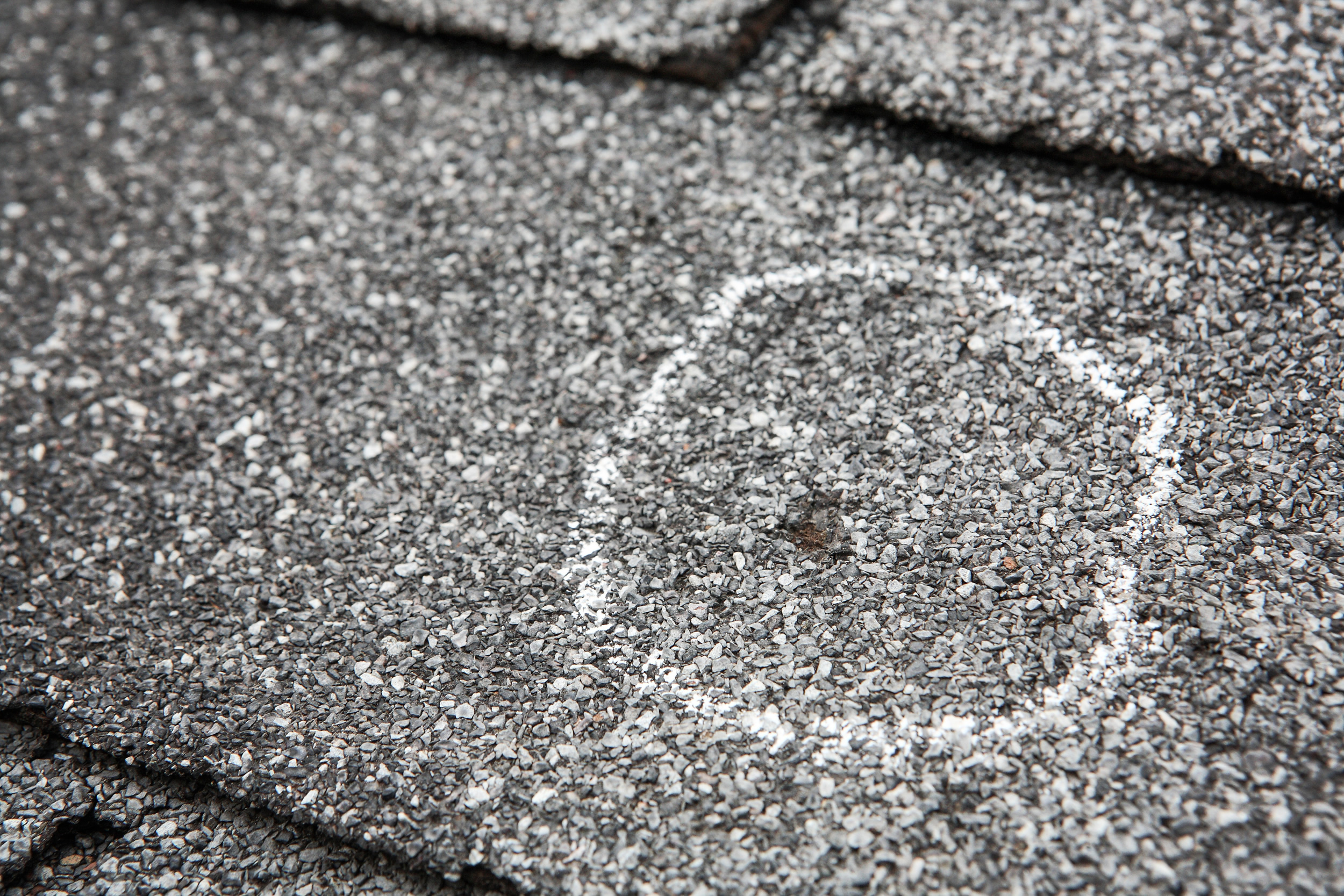
Hail damage can show up as bruised shingles, missing granules, cracked shingles, dented vents, damaged flashing, gutter dents, or impact marks on soft metal components. Some damage is subtle, so a roof may need an on-site inspection even when it looks normal from the yard.
- Bruised, cracked, or dented asphalt shingles
- Granules collecting in gutters, downspouts, or at the end of splash blocks
- Dented metal vents, turtle vents, flashing, or ridge caps
- Chipped skylight trim or damaged roof accessories
- New ceiling stains, attic dampness, or leaks after hail
- Damage patterns on multiple roof slopes, not just one spot
First Steps
What should Nashville homeowners do after a hailstorm?
- Stay off the roof and check from the ground first.
- Photograph hail size, dented gutters, damaged outdoor items, and any shingles or granules you can safely see.
- Check ceilings, attic access areas, and upstairs rooms for water stains after the next rain.
- Schedule a documented roof inspection before deciding whether the problem is a repair, replacement, or insurance question.
- Review your deductible and coverage type before making a claim decision.
Repair, Tarp, or Replace
How do you know what the roof needs next?
Storm damage should be inspected before homeowners assume the answer is a full roof replacement or a small repair. A documented inspection helps separate urgent temporary protection, targeted repair, replacement-level concerns, and insurance-related documentation.
When hail damage may be repairable
Small, isolated damage may be handled with targeted shingle, vent, flashing, or accessory repair when the roof system is otherwise in good condition.
When hail damage may require replacement
Widespread hail impacts, brittle shingles, multiple damaged slopes, or roof-system-level damage may make replacement the more appropriate roofing recommendation.
Why documentation matters
Current photos, slope-by-slope notes, and a clear roofing estimate help homeowners understand what happened before they talk to their carrier or choose a repair path.
At-a-Glance Guide
What storm signs should homeowners take seriously?
The safest approach is to document visible damage from the ground, avoid roof climbing, and schedule an inspection when roof components may be exposed or leaking.
Hail may have been large enough to affect roof components
Best next stepSchedule a roof inspection before assuming the roof is fine
Shingle surface wear or impact may be present
Best next stepDocument the area and have shingles checked on-site
Water may be entering through damaged shingles, flashing, or roof accessories
Best next stepRequest a leak-focused inspection quickly
The storm may have affected multiple homes nearby
Best next stepGet an independent documented inspection for your own roof
| Ground-level sign | What it may mean | Best next step |
|---|---|---|
| Dented gutters or downspouts | Hail may have been large enough to affect roof components | Schedule a roof inspection before assuming the roof is fine |
| Granules at downspout exits | Shingle surface wear or impact may be present | Document the area and have shingles checked on-site |
| New ceiling stain after hail | Water may be entering through damaged shingles, flashing, or roof accessories | Request a leak-focused inspection quickly |
| Neighbors getting roofs inspected | The storm may have affected multiple homes nearby | Get an independent documented inspection for your own roof |
Our Process
How does Mr. GoodRoof document hail damage?
Mr. GoodRoof’s storm inspection process is designed to give homeowners clear, current roofing facts without pressure or claim promises.
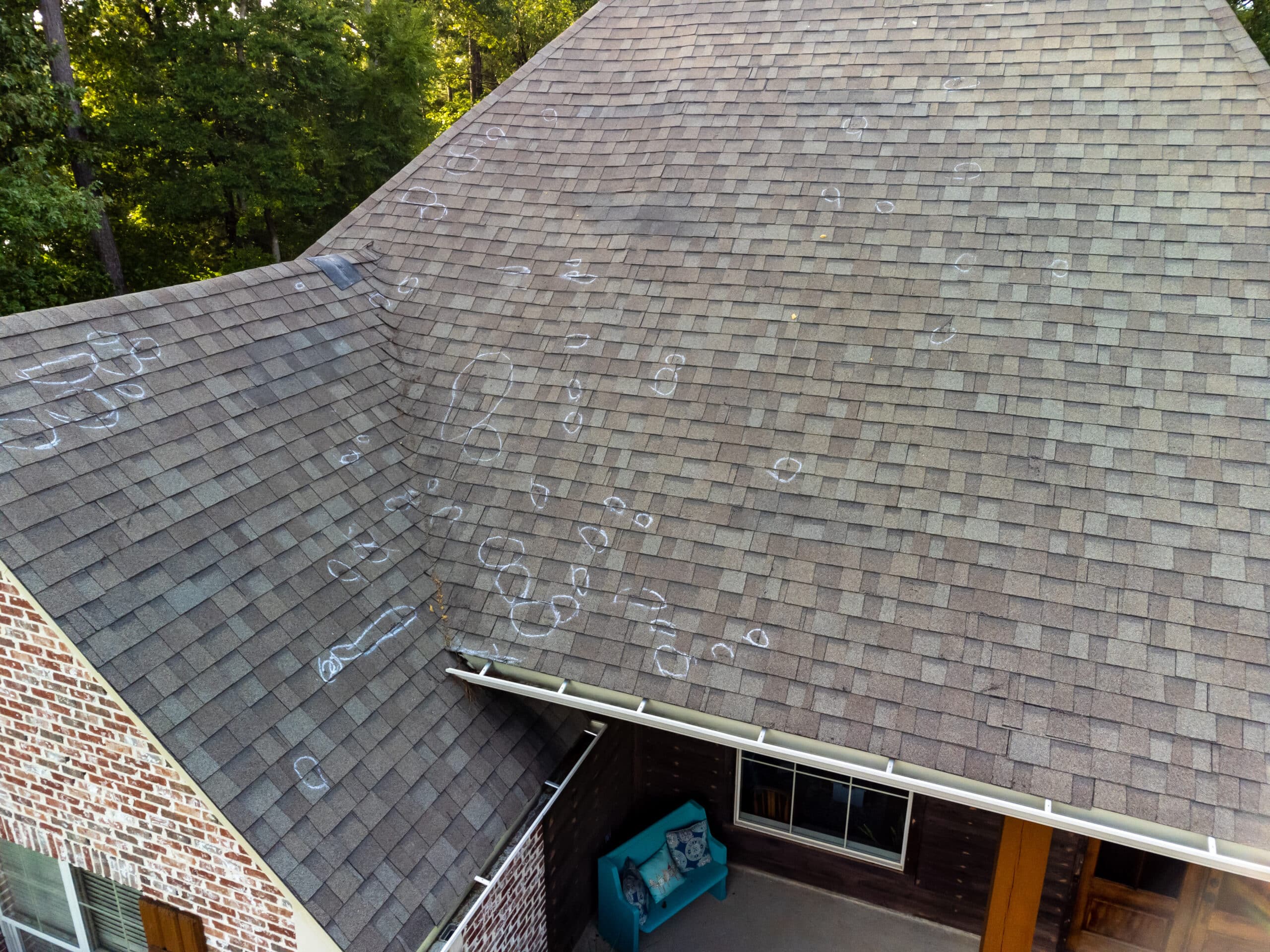
We check visible hail indicators across shingles, slopes, vents, flashing, valleys, ridge caps, gutters, and roof accessories.
We document impact marks, granule loss, damaged soft metal, and other visible roofing concerns when present.
We explain whether the visible damage appears localized, widespread, repairable, or closer to replacement-level.
We provide a roofing recommendation and estimate the homeowner can keep and share as needed.
Related Storm & Insurance Resources
Helpful next reads after storm damage
These related pages help homeowners move from urgent storm response to documented repair, replacement, or insurance-readiness decisions.
Storm Damage
Insurance Guidance
Core Roofing Services
FAQs
Storm damage questions Nashville homeowners ask
Can hail damage be invisible from the ground?
Yes. Hail damage can be hard to see from the yard because bruising, granule loss, and small impact marks may require an on-roof inspection.
Should I file a roof claim after every hailstorm?
No. Not every hailstorm creates claim-worthy roof damage. Start with a documented inspection so you know whether the issue appears repairable, storm-related, or replacement-level.
Does Mr. GoodRoof decide whether insurance covers hail damage?
No. Mr. GoodRoof documents visible roof conditions and provides roofing recommendations. Your insurance carrier determines coverage based on your policy.
What should I photograph after hail?
Photograph hail stones, dented gutters, damaged vents, outdoor furniture, shingles in the yard, interior leaks, and any visible damage you can safely capture from the ground.
Can hail damage cause leaks later?
Yes. Some hail damage weakens shingles or accessories before a leak appears. A roof can look fine at first and still develop water issues during later rain.
Source notes for homeowners
The National Weather Service defines a severe thunderstorm as one capable of producing hail that is one inch or larger or wind gusts over 58 mph. Tennessee Department of Commerce & Insurance disaster guidance says homeowners should document damage with photos or video, make repairs needed to prevent further damage, avoid permanent repairs until the insurer has inspected the property and cost has been agreed upon, and save receipts for temporary repairs. Tennessee Code § 62-6-605 also keeps roofing contractors separate from licensed public adjusters.
Sources: National Weather Service Severe Thunderstorm Safety, Tennessee Department of Commerce & Insurance Disaster Guidance, and Tennessee Code § 62-6-605.
Important insurance claim note
Mr. GoodRoof is a roofing contractor, not your insurance company, public adjuster, or legal representative. Under Tennessee law, a residential roofing services provider may not act or hold itself out as a public adjuster unless properly licensed as one. We inspect roof conditions, document visible damage, provide roofing estimates, and explain repair or replacement scope. We do not represent or negotiate on a homeowner’s behalf with an insurance carrier, estimate claim value, interpret policy coverage, or adjust claims. Your insurance carrier determines coverage based on your policy. For policy interpretation, claim disputes, or legal advice, speak with your insurance carrier, a licensed public adjuster, or an attorney.
Storm damage is easier to understand when the roof is documented.
Mr. GoodRoof helps Nashville and Middle Tennessee homeowners inspect storm damage, document visible roof concerns, and understand whether repair, tarping, replacement, or another roofing next step makes sense.